

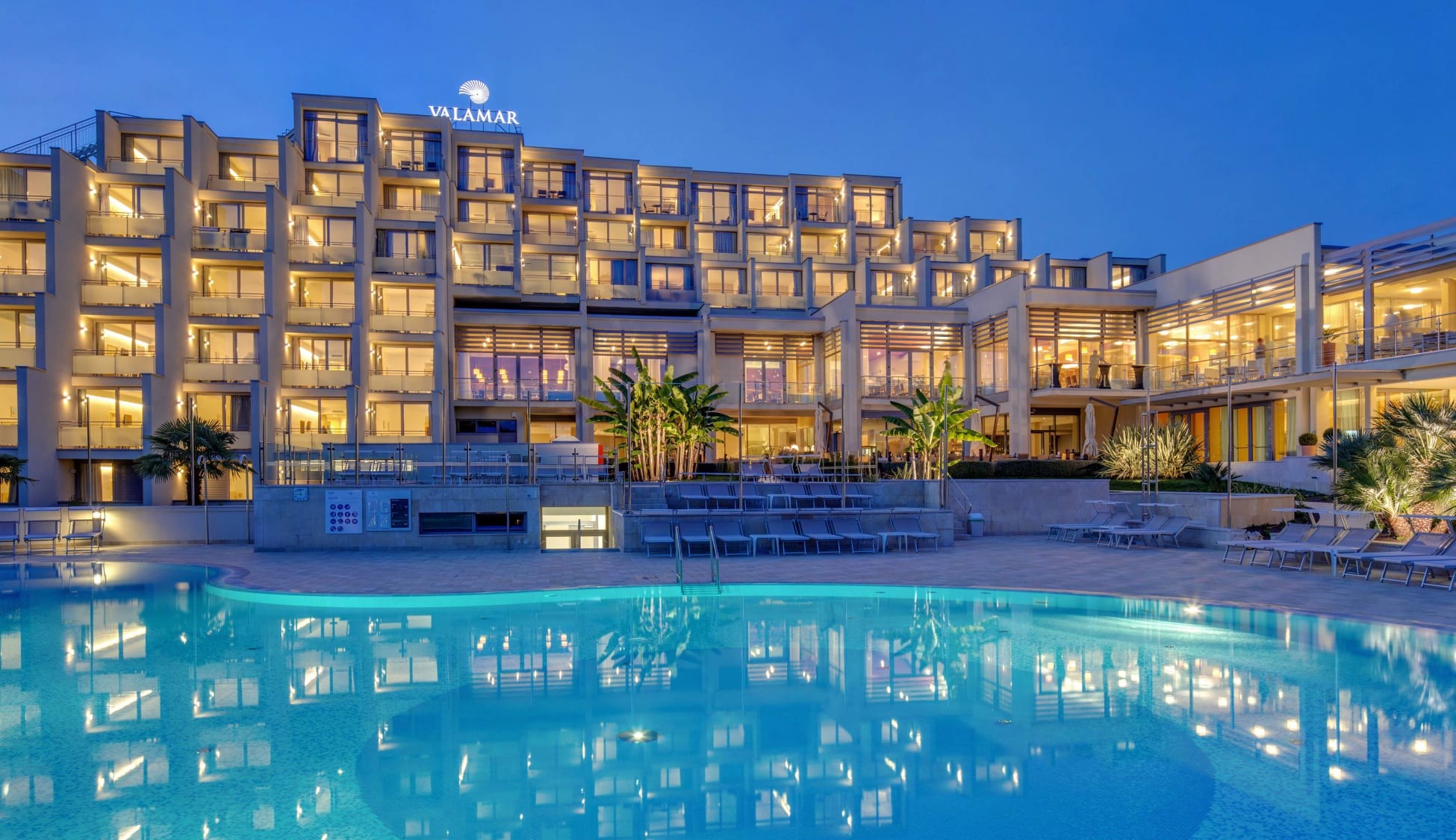
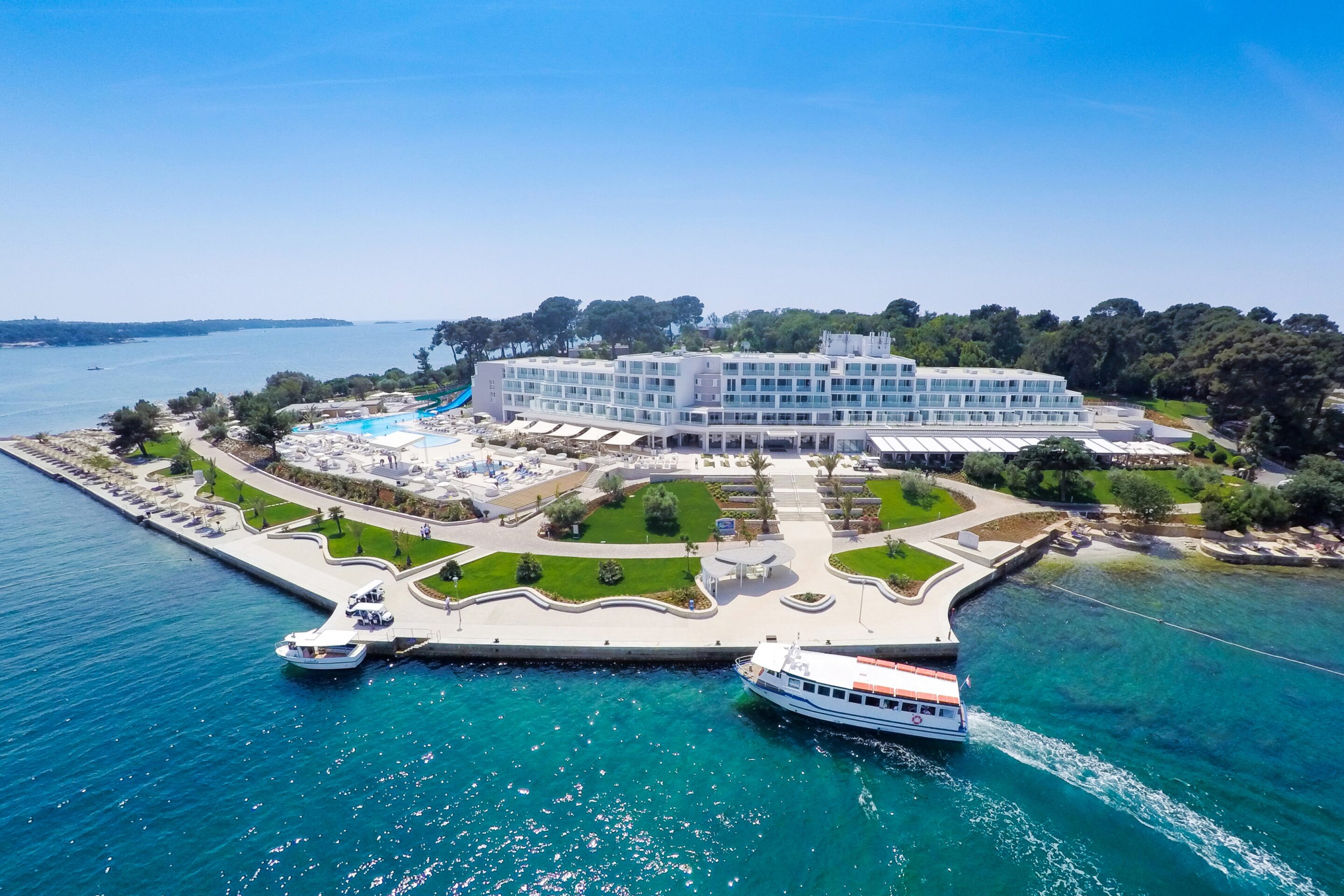
Valamar Group is one of the leading hospitality companies in Southeast Europe, headquartered in Poreč, Croatia. Established in 2000, the group has grown into a major tourism operator, managing 37 hotels and resorts across Croatia and Austria, alongside 15 premium camping resorts located along Croatia’s Adriatic coastline.
Valamar offers a diverse portfolio of hospitality experiences, ranging from luxury seaside accommodations within the Valamar Collection brand to family-focused resorts designed with activities and entertainment for children. The group is also recognised as a leader in the premium camping segment, offering modern, nature-oriented holiday experiences that combine outdoor living with high-end facilities.
As tourism continues to grow across the Mediterranean, Valamar has been exploring opportunities for international expansion while maintaining its strong presence in Croatia’s most sought-after coastal destinations. At the centre of this growth strategy lies a strong commitment to responsible tourism and environmental stewardship.
A Long-Term Sustainability Strategy
Sustainability plays a central role in Valamar’s operational strategy. Through its ESG framework and sustainability programme running from 2020 to 2026, the company has introduced a wide range of initiatives designed to reduce environmental impact while preserving the natural beauty that defines its destinations.
Valamar has committed to achieving decarbonisation through the use of 100% electricity from renewable sources, while also actively protecting the ecosystems surrounding its resorts. Across its properties, the group manages and maintains more than 80,000 trees, which contribute to biodiversity protection and carbon absorption.
The company’s environmental initiatives also extend to responsible sourcing and resource management. Local food and sustainable seafood are prioritised across hotel restaurants to support regional producers and protect marine ecosystems. At the same time, Valamar has implemented programmes to reduce water consumption, recycle wastewater, minimise single-use plastics, and improve waste management across its operations.
As part of these efforts, the company identified food waste generated in hotel kitchens and restaurants as an area where innovative technology could make a meaningful impact.
Tackling Food Waste in Hospitality Operations
Large-scale hospitality operations naturally generate significant quantities of organic waste. With restaurants, buffet services, and food preparation across dozens of resorts, Valamar’s kitchens produce substantial volumes of food scraps each day.

Traditional waste management methods required organic waste to be transported away from the resorts for external disposal. This not only involved recurring waste collection costs but also contributed to additional transport emissions and landfill use.
To align its waste management practices with its broader sustainability objectives, Valamar sought a solution that would allow organic waste to be processed directly at the point of generation, transforming it into a useful resource rather than an environmental burden.
Implementing On-Site Food Waste Processing Across Valamar Resorts
To address food waste across its hospitality operations, Valamar Group partnered with Harp Renewables to install three on-site biodigesters across key resort locations. Two Harp CX10 Biodigester units were deployed at major resort kitchens, while a larger Harp CX20 Biodigester was installed at a high-capacity hospitality destination.
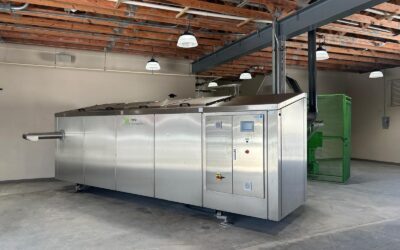
Each installation allows organic waste from restaurant kitchens and food preparation areas to be processed directly on-site, converting food scraps into a nutrient-rich fertiliser within 24 hours. The systems reduce waste volumes, lower disposal costs, and contribute to Valamar’s long-term sustainability goals.
Valamar Lacroma Hotel – Harp CX10 Installation
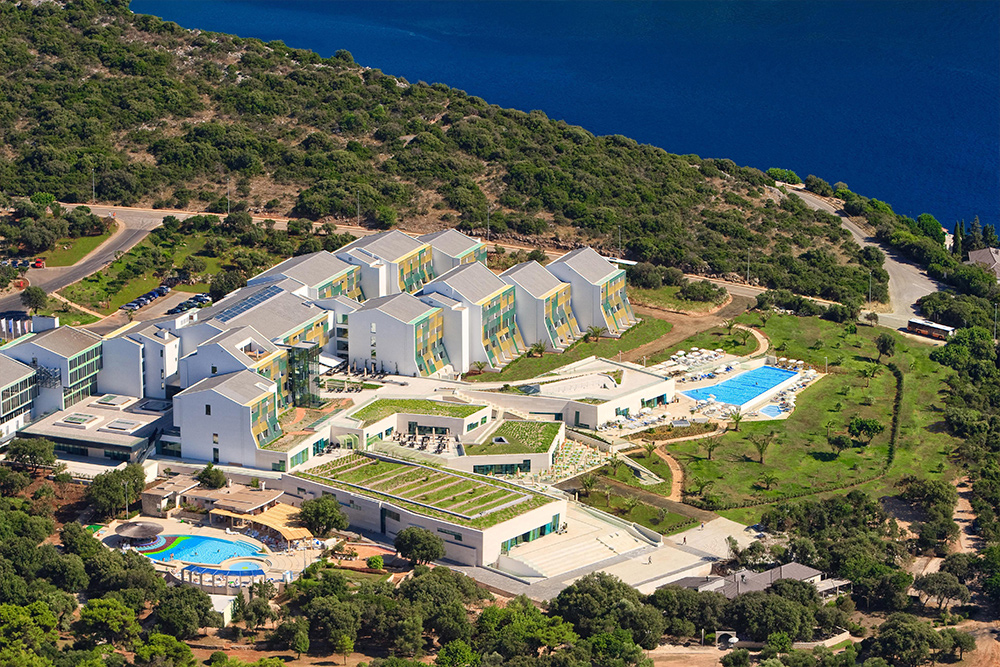
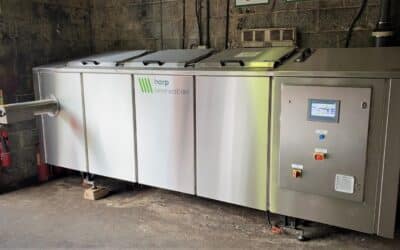
At the Lacroma resort, Valamar installed a Harp CX10 biodigester to manage organic waste generated from the resort’s restaurant and kitchen operations. With a capacity of 10,000 litres of organic waste per week, the CX10 enables the resort to process large quantities of food scraps directly on-site rather than relying on external waste disposal services.
The machine processes approximately 1,428 litres of organic waste per day, equating to 520,000 litres annually. Through aerobic digestion, the system breaks down food waste and converts it into a stable, nutrient-rich fertiliser-like product within less than 24 hours. This output can then be reused in landscaping and gardening around the resort grounds.
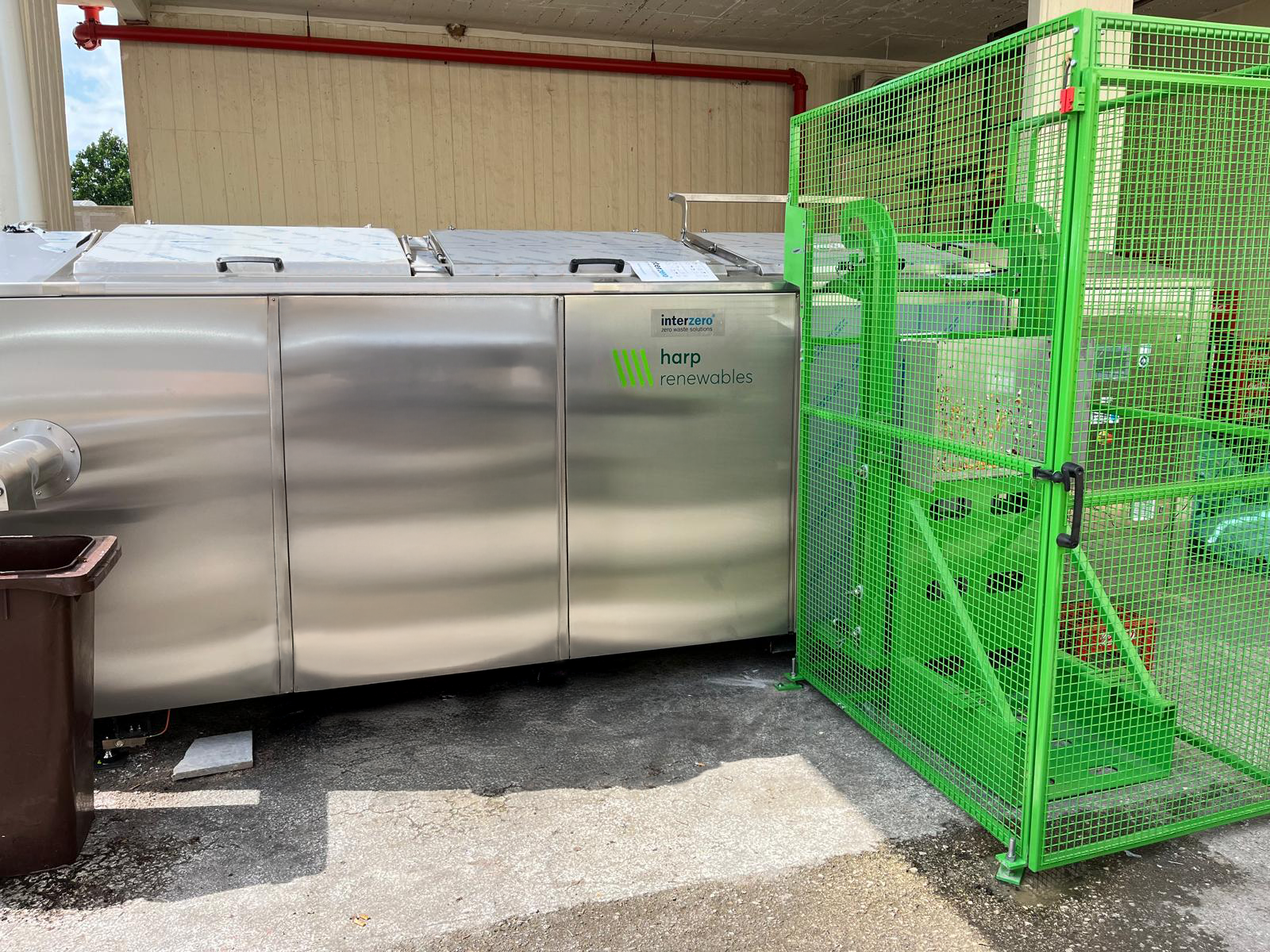
Specifications
• Equipment: Harp CX10 with built-in bin lifter
• Waste Stream: Restaurant waste
• Capacity: 1428 Litres/Day, 10,000 Litres/Week, 520,000 Litres/Year
• Estimated CO2 Savings: -9344.5 KgCO2eq (- 9.3 Tonnes CO2eq )
By diverting organic waste from landfill, the Lacroma installation delivers estimated carbon savings of 9.3 tonnes of CO₂ equivalent each year. The system has also improved operational efficiency by reducing the frequency of waste collection and simplifying the waste handling process for kitchen staff.
Valamar President Hotel – Harp CX10 Installation
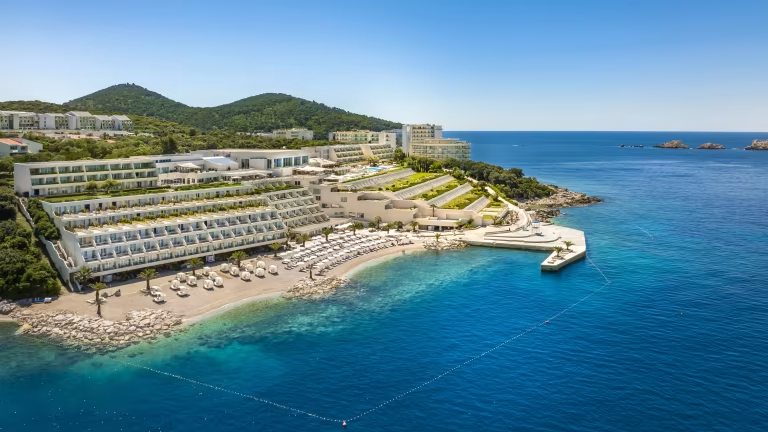
A second Harp CX10 biodigester was installed at the President resort, another high-capacity hospitality destination within Valamar’s portfolio. Like the Lacroma installation, the CX10 processes organic waste generated from restaurants and food preparation areas throughout the resort.
With a weekly capacity of 10,000 litres, the system provides the infrastructure needed to manage food waste produced during daily meal service for guests. Over the course of a year, the biodigester is capable of processing up to 520,000 litres of organic waste, transforming what would otherwise be discarded material into a valuable soil-enhancing by-product.

Specifications
• Equipment: Harp CX10 with built-in bin lifter
• Waste Stream: Restaurant waste
• Capacity: 1428 Litres/Day, 10,000 Litres/Week, 520,000 Litres/Year
• Estimated CO2 Savings: -9344.5 KgCO2eq (- 9.3 Tonnes CO2eq )
The installation supports Valamar’s sustainability objectives by reducing landfill waste and lowering the environmental impact associated with transporting organic waste off-site. Each year, the system contributes an estimated 9.3 tonnes of CO₂ equivalent savings, helping the resort reduce its carbon footprint while improving waste management efficiency.
Valamar Rabac Hotel – Harp CX20 Installation
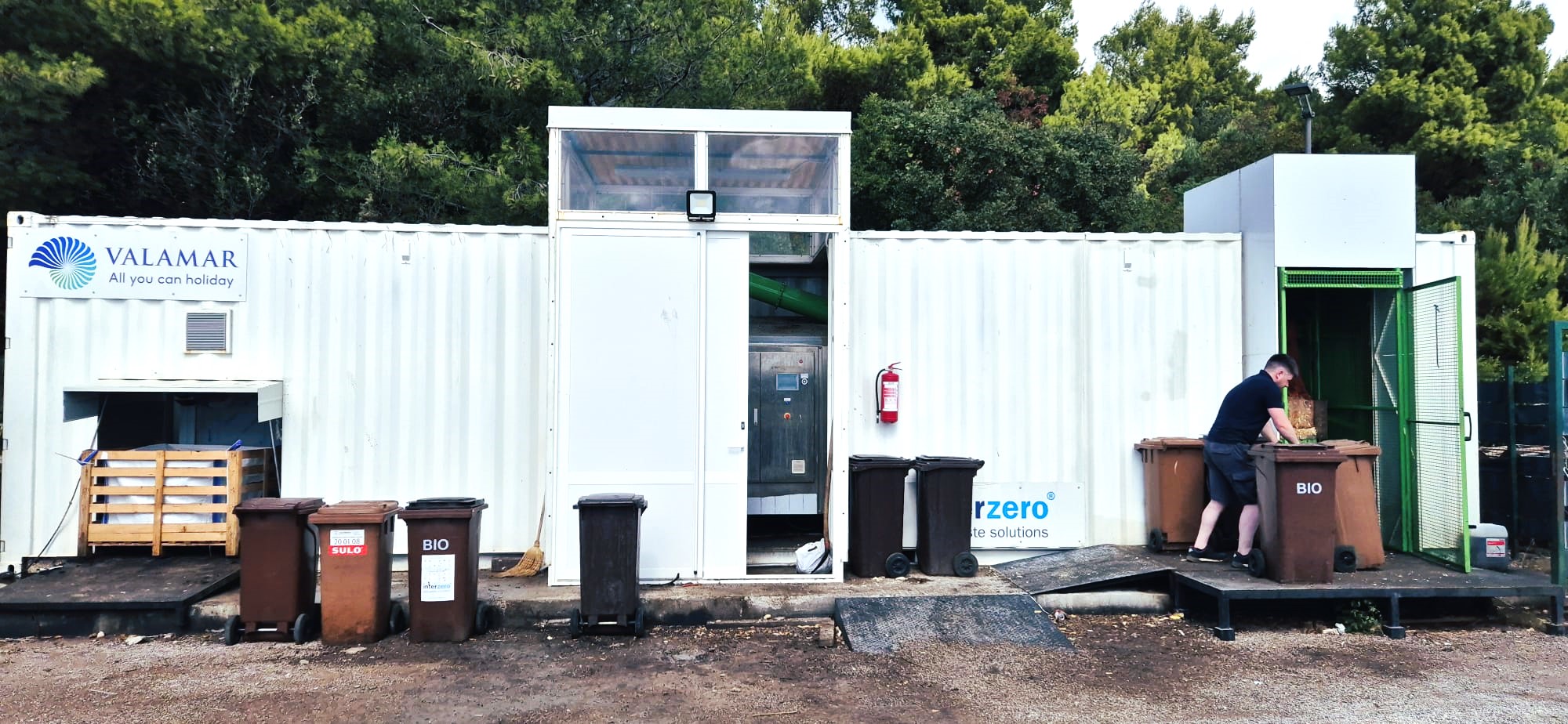
At the Rabac resort destination, Valamar implemented a larger Harp CX20 biodigester to manage the higher volumes of organic waste generated by multiple restaurants and hospitality services.
The CX20 is one of Harp Renewables’ larger food waste processors and is capable of handling 20,000 litres of organic waste per week, or approximately 2,857 litres per day. Over the course of a full year, this represents a processing capacity of 1,040,000 litres of organic waste.
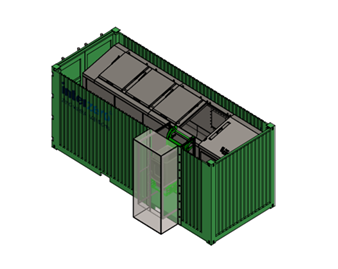
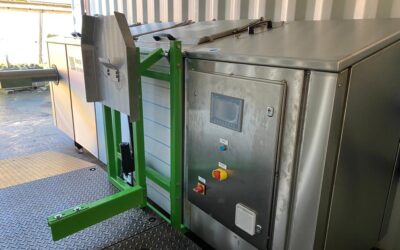
The system is housed within a 20-foot container unit and includes a built-in bin lifter, allowing kitchen staff to load waste safely and efficiently while minimising manual handling. As with the CX10 systems, the CX20 uses an aerobic digestion process that rapidly breaks down organic material while sensors monitor temperature, pH levels, and other key parameters to ensure optimal performance.
Specifications
• Equipment: Harp CX20 with built in bin lifter, all built inside a 20ft container
• Waste Stream: Restaurant waste
• Capacity: 2857 Litres/Day, 20,000 Litres/Week, 1,040,000 Litres/Year
• Estimated CO2 Savings: -25,382.6 KgCO2eq (- 25.4 Tonnes CO2eq )
The Rabac installation delivers substantial environmental benefits, with estimated carbon savings of 25.4 tonnes of CO₂ equivalent annually. By converting food waste into a fertiliser-like by-product that can be reused in resort landscaping, the CX20 supports a circular waste management system that aligns closely with Valamar’s sustainability strategy.
Combined Impact Across Valamar Resorts
Together, the three biodigesters installed across Valamar’s Lacroma, President, and Rabac locations provide the capacity to process over two million litres of organic waste annually. By managing food waste directly at the source, Valamar has significantly reduced the amount of organic material sent to landfill while lowering transport emissions and waste disposal costs.
More importantly, the systems create a closed-loop approach to waste management. Organic waste from resort kitchens is transformed into a useful soil enhancer that can be applied to gardens and landscaped areas across the properties, helping maintain the natural beauty of Valamar’s destinations while reducing reliance on chemical fertilisers.
Through these installations, Valamar continues to demonstrate how large-scale hospitality operations can integrate innovative technology to support more sustainable tourism across the Adriatic region.


0 Comments