

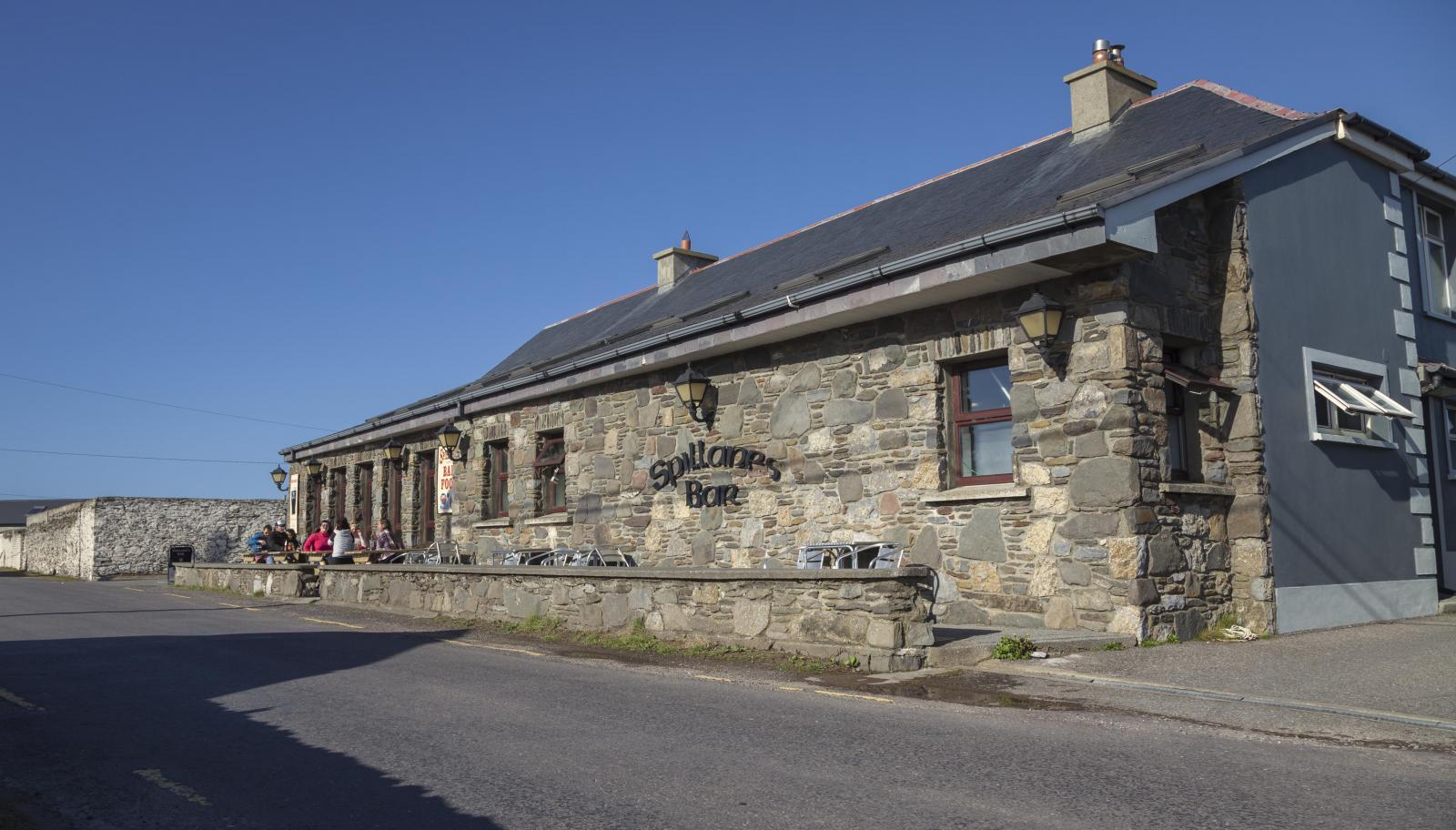
Located on the beautiful Maharees Peninsula in County Kerry, Ireland, Spillane’s Seafood Bar & Restaurant has long been a beloved destination for both locals and visitors exploring Ireland’s Atlantic coastline. Known for its welcoming atmosphere and authentic coastal cuisine, the restaurant celebrates the rich seafood heritage of the region.
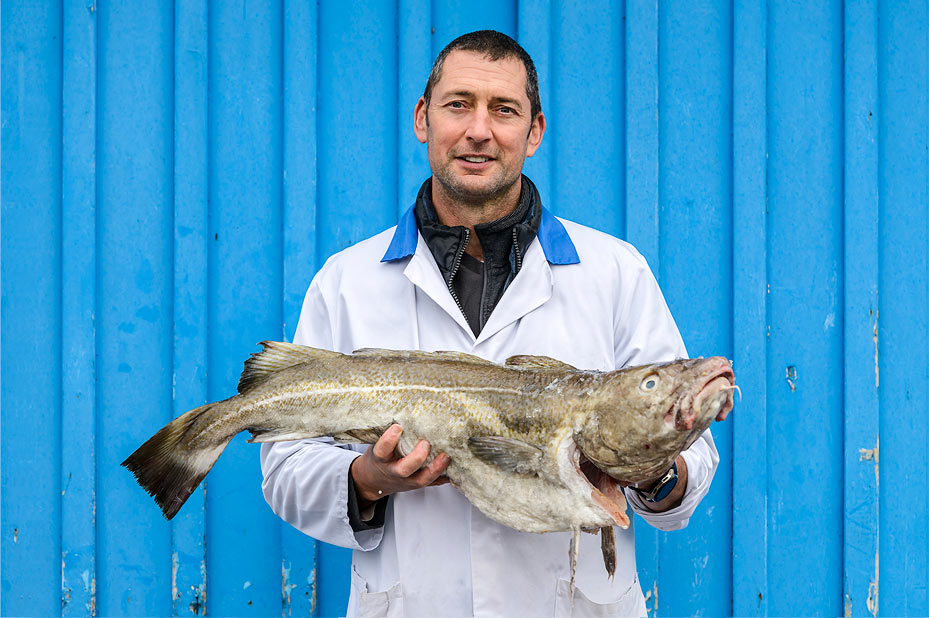
Spillane’s menu highlights the best of locally sourced ingredients, with dishes such as fresh crab claws, mussels, and sustainably caught fish delivered directly from nearby waters. By working closely with local fishermen and suppliers, the restaurant ensures the highest quality ingredients while supporting the regional economy and reducing the environmental impact associated with long-distance food transportation.
For Spillane’s, sustainability is not simply a trend—it is a natural extension of its connection to the surrounding landscape and coastal community.
Extending Sustainability Beyond the Menu
While sourcing local seafood is a key part of Spillane’s environmental approach, the team recognised that sustainability within hospitality operations must go further. Restaurants inevitably generate organic waste through food preparation and service, and traditionally this waste is transported to landfill or external processing facilities.
For a restaurant located in such a pristine natural environment, reducing landfill waste became an important priority. Spillane’s began exploring solutions that would allow food waste to be managed responsibly while aligning with the restaurant’s wider commitment to environmental stewardship.
To achieve this, Spillane’s partnered with Harp Renewables to install the Harp CX1 Biodigester, an on-site food waste processor designed specifically for smaller hospitality venues.
Turning Food Waste into a Valuable Resource
The Harp CX1 is a compact aerobic biodigester that processes organic waste directly at the point of generation. Capable of handling up to 1,000 litres of organic waste per week, the machine converts kitchen scraps and restaurant waste into a nutrient-rich fertiliser-like by-product in less than 24 hours.
Inside the system, organic materials are broken down through an aerobic digestion process in which microorganisms and enzymes accelerate natural decomposition in an oxygen-rich environment. Sensors monitor key parameters such as temperature and pH to ensure the process remains efficient and stable.
The CX1 installed at Spillane’s includes a built-in shredder, making it particularly effective for seafood restaurants where shells, claws, and other harder materials are part of the waste stream. The shredder breaks these materials down into smaller particles, allowing them to be processed smoothly during digestion.
By managing organic waste on-site, Spillane’s is able to significantly reduce the volume of material that would otherwise be transported for disposal.

The Harp CX1 installed at Spillane’s provides a compact but powerful solution for managing restaurant waste.
Key Features and Specifications
- Equipment: Harp CX1 with built-in shredder
- Waste Stream: restaurant waste, kitchen waste.
- Capacity: 142 Litres/Day, 1000 Litres/Week, 52,000 Litres/Year
- Estimated CO2 Savings: -203.6 KgCO2eq
These figures demonstrate how even a single hospitality business can make measurable contributions to reducing landfill waste and lowering greenhouse gas emissions.
Results: Sustainable Waste Management in Action
Since installing the Harp CX1 biodigester, Spillane’s has significantly improved how organic waste is managed within its kitchen operations. Food scraps and seafood by-products are now processed directly on-site rather than being transported away for disposal.
Within a single day, organic waste is transformed into a stable, compost-like product that can be used as a soil enhancer or fertiliser. This approach not only reduces landfill dependency but also helps lower the costs and environmental impact associated with waste collection and transport.
The presence of the system has also improved hygiene within the restaurant’s waste handling areas by reducing odours and minimising the accumulation of food waste.
For a coastal restaurant located in one of Ireland’s most beautiful natural landscapes, these improvements reflect a strong commitment to protecting the environment that supports its business.
Supporting the Circular Economy in Hospitality
The Harp CX1 biodigester enables Spillane’s to take part in a circular approach to waste management. Instead of viewing food waste as an unavoidable by-product of restaurant operations, the system transforms organic material into a useful resource that can help support soil health and plant growth.
By converting waste into fertiliser rather than sending it to landfill, Spillane’s is reducing its environmental impact while contributing to more sustainable hospitality practices.
A Model for Sustainable Restaurants
Spillane’s Seafood Bar & Restaurant demonstrates how even smaller hospitality venues can take meaningful steps toward sustainability. By combining locally sourced ingredients with innovative waste management solutions, the restaurant has created an operation that respects both the local community and the surrounding environment.
Through its partnership with Harp Renewables, Spillane’s continues to show that sustainable dining is not only possible—it is an essential part of protecting the landscapes and ecosystems that make destinations like the Maharees Peninsula so special.



0 Comments