

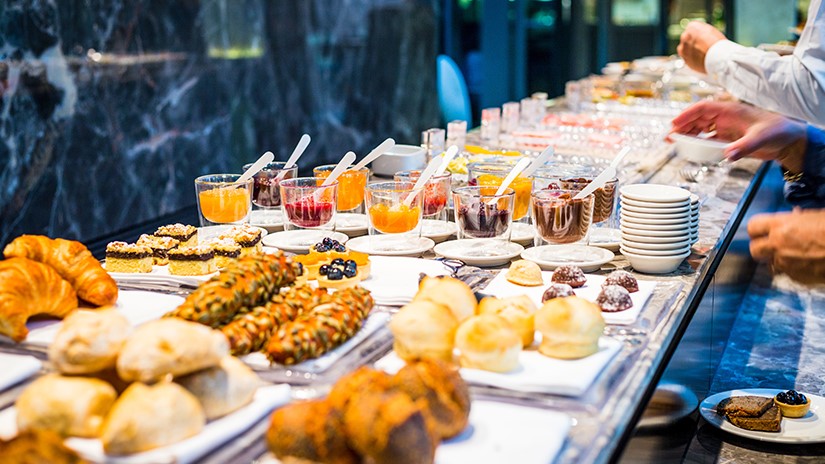
The global hospitality industry wastes around 100 million tons of food annually—enough to feed every hungry person twice. This growing waste, from hotel buffets to restaurant portions and spoilage, costs the industry an estimated €300 million each year. Beyond the financial loss, food waste significantly contributes to greenhouse gas emissions through methane from decomposing food. As Ireland aims to halve food waste by 2030 under the UN Sustainable Development Goals, the hospitality sector faces mounting pressure to change its practices. For industry professionals, tackling food waste is now essential—not just for sustainability, but for long-term viability amid rising climate awareness and stricter regulations.
Hotels, restaurants, event venues, and catering services are significant contributors to global food wast, often discarding large quantities of edible food due to overproduction, spoilage, or high presentation standards. According to the United Nations Environment Programme, the food service industry wastes millions of tonnes of food annually – much of which could have been redistributed, repurposed, or avoided altogether.
The Scale of the Problem
Ireland generates around 1.1 million tonnes of food waste each year across the entire supply chain, from farms to households. In 2022 alone, the hospitality and food service sector—including restaurants, hotels, B&Bs, pubs, and cafes—produced approximately 157,000 tonnes of food waste, with over 66% considered avoidable, such as leftovers, plate scrapings, and expired perishables. This not only poses a serious environmental issue but also results in significant financial losses, estimated at €300 million for the food service industry and €2 billion in the manufacturing sector. Environmentally, food waste in Ireland contributes about 3.6 million tonnes of CO₂-equivalent emissions annually, primarily due to landfill methane and the waste of resources like water, land, and energy. Given that food waste accounts for up to 10% of global greenhouse gas emissions, Ireland’s situation highlights the urgent need for systemic changes to reduce waste, save money, and meet climate targets.
Key Causes of Food Waste in the Hospitality Industry
Food waste in the hospitality sector is driven by a complex of operational, cultural, and behavioural factors that vary across different types of establishments. One of the primary causes is overproduction, particularly in hotels and buffets, where food is often prepared in large quantities to meet unpredictable demand and maintain a perception of abundance.
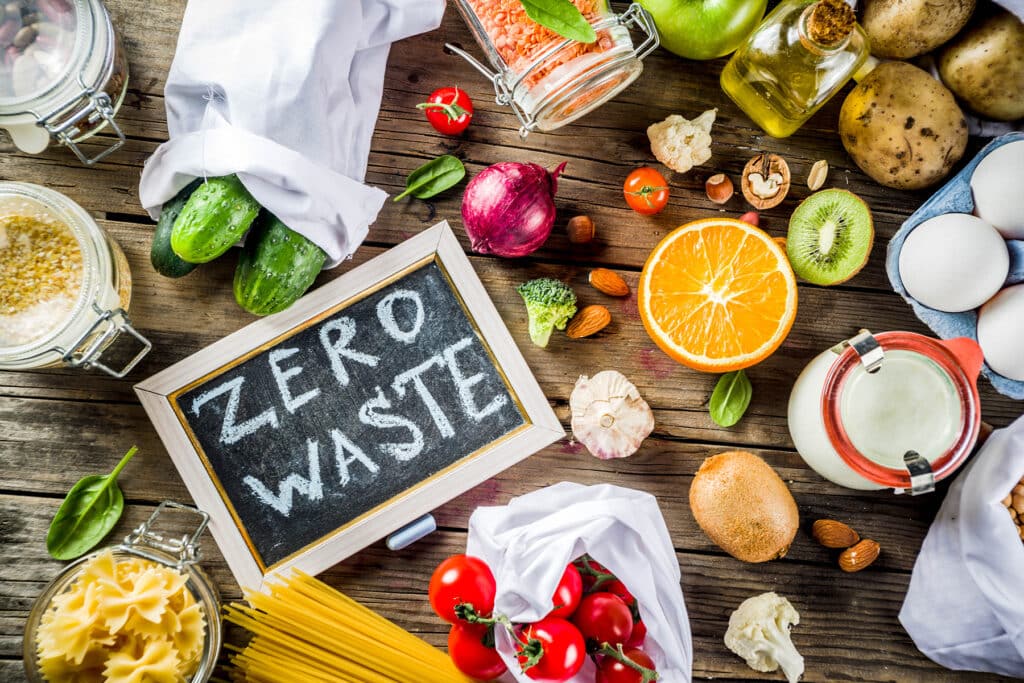
Another major contributor is portion size – restaurants frequently serve overly large portions that customers are unable to finish, resulting in significant plate waste. In many cases, lack of staff training and unclear food handling protocols lead to avoidable waste during food preparation and service. Expiration dates significantly contribute to food waste in the hospitality sector, as businesses often discard items based strictly on “best before” or “use by” labels, even when the food is still safe and edible. This is driven by confusion over labelling, fear or liability, and a lack of training or time to assess food quality manually, leading to unnecessary disposal of perfectly usuable products.
The Impact of Food Waste in Hospitality
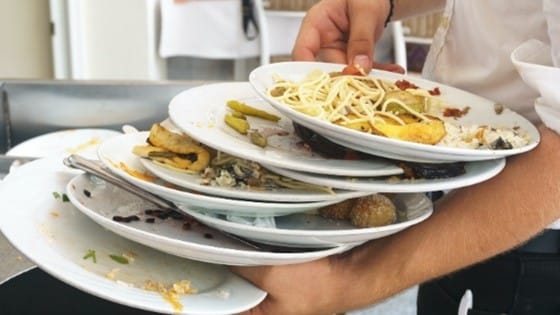
Food waste in the hospitality sector is a major issue, with up to 20–30% of food purchases wasted—much of it avoidable. This not only leads to financial losses but also wastes the energy, water, and resources used in food production and preparation. Key causes include buffet overproduction, inconsistent portion sizes, poor menu planning, and customer behavior. When food ends up in landfills, it releases methane, a powerful greenhouse gas. Reducing food waste is crucial for lowering environmental impact and combating climate change.
Why Managing Food Waste Matters
Globally, more than 25% of food produced is wasted. Around 750,000 tonnes of food is wasted each years in Ireland. Managing food waste is a crucial issue for both businesses and the environment, with far-reaching impacts on sustainability, economy, and social responsibility.
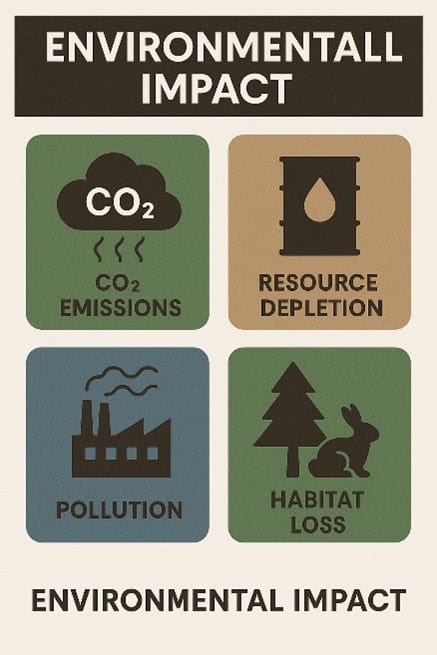
1. Environmental Impact: Food waste contributes significantly to environmental degradation and climate change, generating 8–10% of global greenhouse gas emissions. It also wastes essential resources like water, energy, labor, and land. Proper food waste management can reduce our environmental impact and help combat climate change.
2. Cost Savings: Wasting food directly affects a business’s profitability. By reducing food waste, hospitality businesses can save money by better managing inventory, avoiding over-ordering, and improving portion control.
3. Promoting a Circular Economy: Food waste management aligns with the principles of a circular economy, where waste is minimised, and materials are repurposed or recycling into new, valuable products. By diverting food scraps from landfills and converting them into compost businesses contribute to a more sustainable food system. This cycle of resource reuse benefits both the environment and the economy, creating a sustainable and resilient system for the future
Expert Opinions
James Hogan, programme manager on the EPA Green Business initiative, estimates that “every tonne of food waste from a hotel or restaurant costs that business between €3000 and €5000”, with the average restaurant losing about €24,000/year, and a hotel about €150,000 annually.
David Flynn, Director at EPA, emphasises that over 70% of food waste in Ireland comes from food & drink businesses – including hospitality – and encourages sector wide adoption of measurement tools and the EPA’s Food Waste Charter. “As a nation, Ireland is wasting too much food – over one million meals a day – which is a significant resource and economic loss. WIth 70% of food waste generated by food % drink businesses across the supply chain, there is a clear obligation on this sector to focus on preventing food waste. Signing up to the EPA’s Food Waste Charter is a positive statement that your business is serious about taking action to measure and reduce food waste.
Valamar Group’s Sustainable Hospitality Initiative in Croatia
Established in 2000 in Poreč, Croatia, Valamar Group is a leading hospitality company with 37 hotels and resorts in Croatia and Austria, and 15 premium camping resorts along the Croatian coast. Serving a wide market—from luxury to budget-friendly stays—Valamar places sustainability at the core of its strategy.
A core component of Valamar’s strategy is its unwavering commitment to sustainable tourism. From reducing energy consumption and managing waste to sourcing local and sustainable food, Valamar is actively reshaping hospitality in the Adriatic region through eco-conscious practises.
Sustainability Challenge & Strategy
Food waste, a major issue in hospitality, contributes heavily to methane emissions. As part of its 2020–2026 “Green Holiday by Valamar” ESG agenda, the company aims to use 100% renewable electricity, reforest 80,000+ trees, reduce single-use items, and process food waste on-site.
To address food waste, Valamar partnered with Harp Renewables, installing three on-site food waste processors (2 Harp CX10, 1 Harp CX20) at key resort locations. These units were integrated into kitchen operations, enabling automated, hygienic waste disposal.
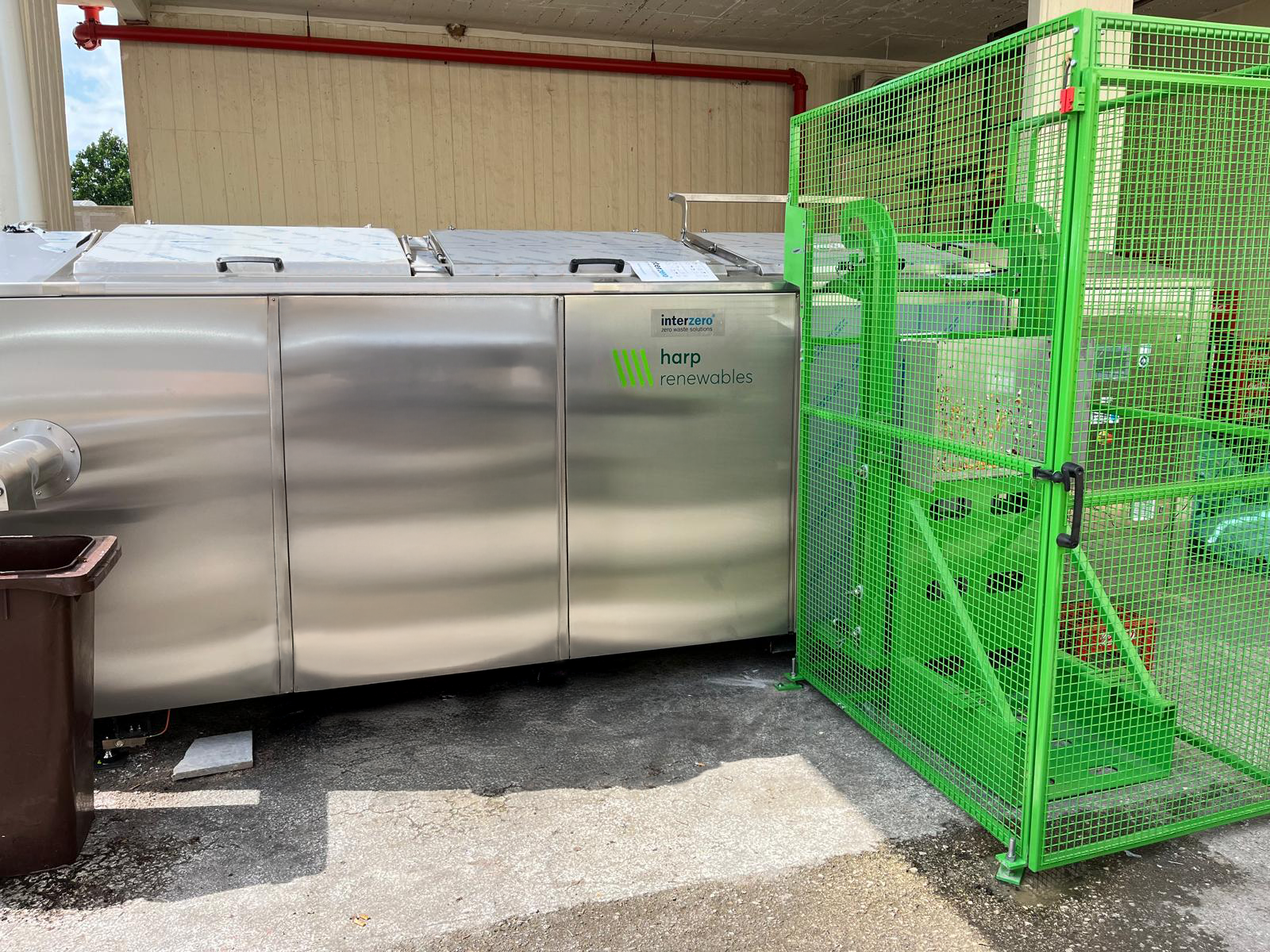

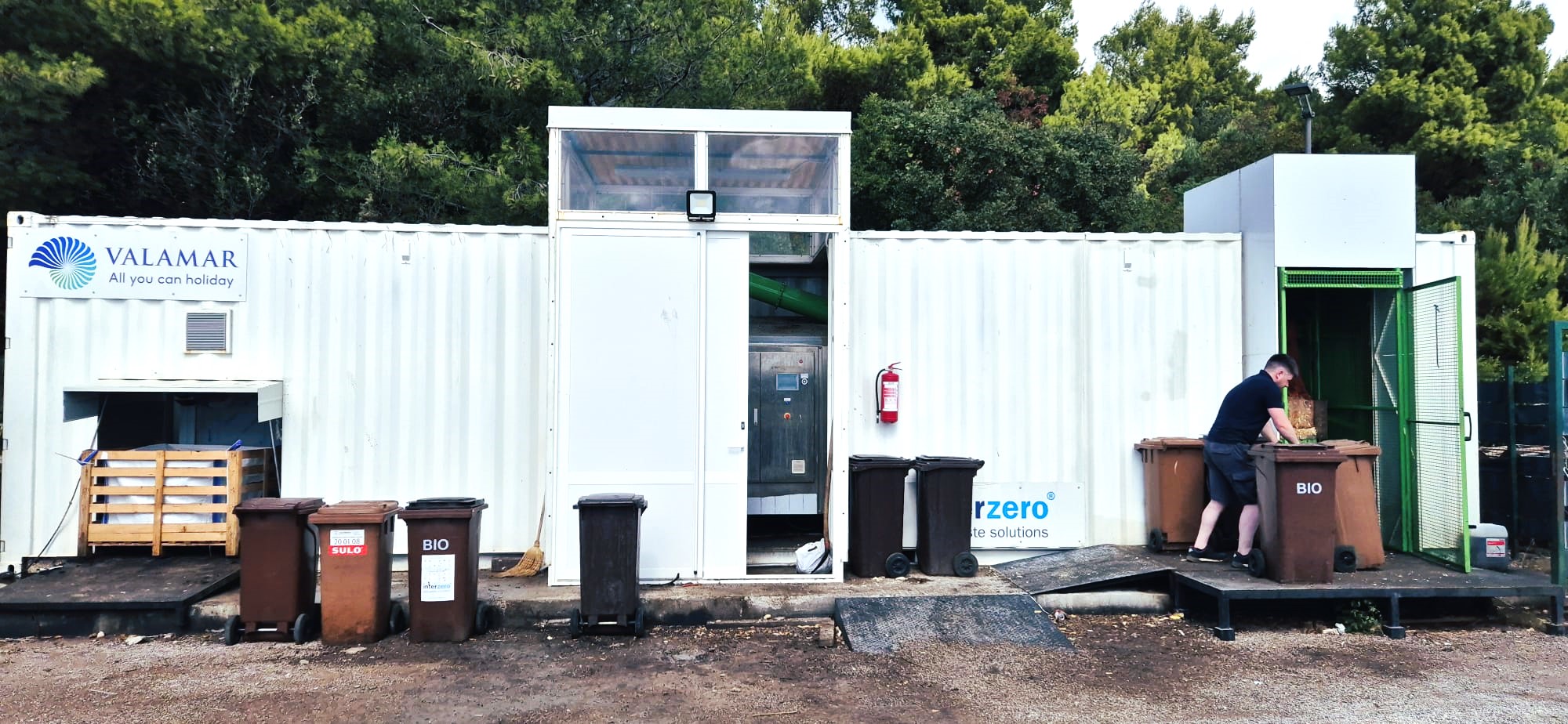
Key Results:
- ~34.7 tonnes CO₂ reduced annually, with significant diversion from landfills, curbing methan emissions
- Near-zero food waste at selected sites
- Nutrient-rich compost used in landscaping, replacing chemical fertilisers
- Lower waste collection costs and improved kitchen efficiency
- Stronger eco-brand image and guest satisfaction
Moving Forwards
Valamar Group’s adoption of Harp CX10 and CX20 food waste processors is a strong demonstration of practical, scalable and impactful sustainability. By tackling food waste head-on, Valamar has:
1. Lowered operational emissions and disposal costs
2. Reduced food waste to near-zero at selected sites
3. Enhanced its environmental credibility and brand appeal
4. Created a model for sustainable tourism in the Mediterranean
Want to Learn More?
Take a closer look at how Valamar Group is turning sustainability into action across its resorts and hotels. Click Here!