

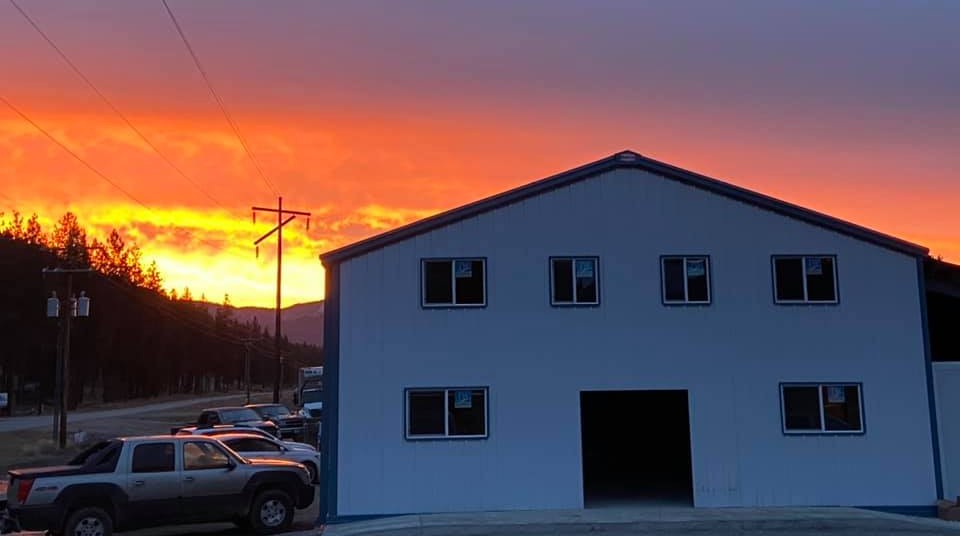
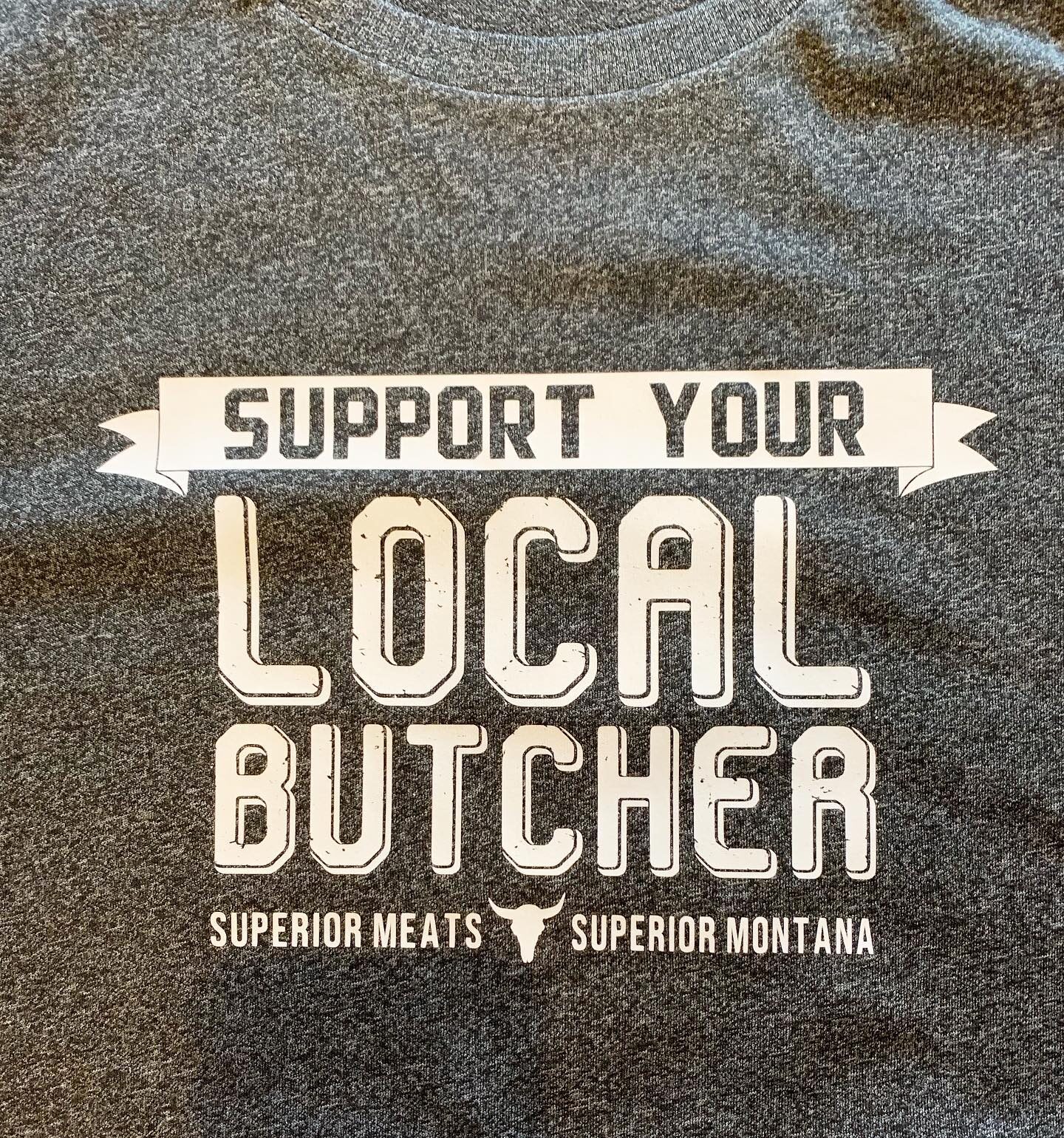
Montana Superior Meats is a company known for its high-quality meat products, including beef, pork, and game meats. Serving the needs of local farmers, ranchers, and hunters, the company is a pillar of the community, deeply committed to quality, freshness, and supporting Montana’s agricultural and hunting heritage. With a strong focus on ethical processing and sustainable practices, Montana Superior Meats is raising the bar for environmental responsibility within the meat industry.
The Challenge of Organic By-Products
Every day, the plant produces large volumes of organic waste, including bones, trimmings, fat, and other materials. Traditional disposal methods, such as landfilling or off-site rendering, carried both environmental and financial costs. Landfilling generates methane, a potent greenhouse gas, and transporting waste off-site incurs labour, fuel, and operational expenses. Montana Superior Meats realized that to stay competitive and responsible, they needed a solution that respected their heritage while embracing modern sustainability.
Embracing Innovation with Harp CX10
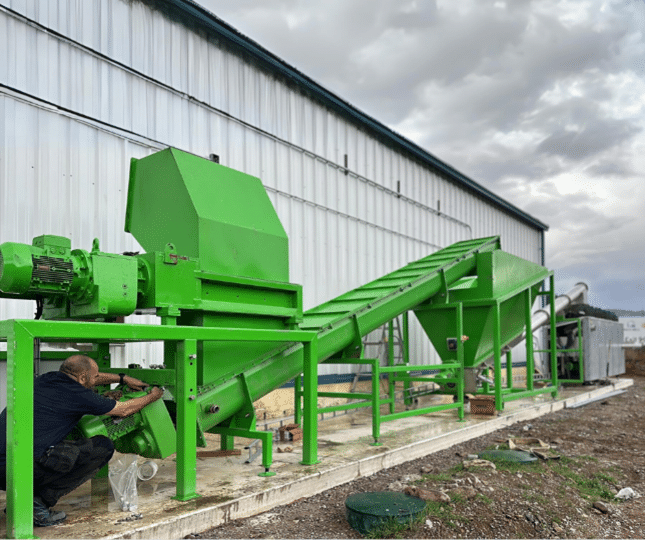
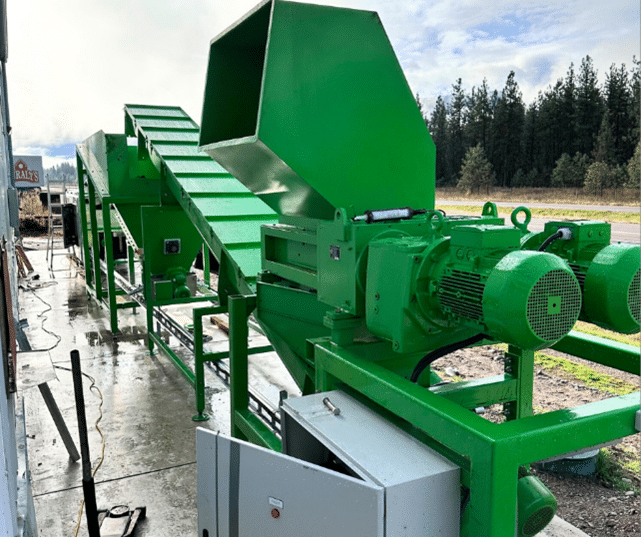
The answer came in the form of the Harp CX10 food waste processor, an on-site aerobic food waste processor designed for medium to large-scale operations. Unlike conventional disposal methods, the CX10 converts organic waste into a nutrient-rich fertiliser in less than 24 hours. Using aerobic digestion, the system relies on oxygen-rich microbial processes to break down meat by-products safely and efficiently.
At Montana Superior Meats, the CX10 was integrated seamlessly into the workflow. The processor’s hopper, shredder, infeed auger, and bin lifter allowed the plant to handle large volumes of waste with minimal manual intervention. Sensors continuously monitored temperature, pH, and moisture levels, ensuring optimal digestion and consistent output. Staff quickly adapted to the automated system, which improved hygiene, reduced odours, and freed employees to focus on core processing tasks.

Specifications
- Equipment: Harp CX10 with hopper, shredder, infeed auger and bin lifter
- Waste Stream: Abattoir/Slaughterhouse waste
- Capacity: 1428 Litres/Day, 10,000 Litres/Week, 520,000 Litres/Year
- Estimated CO2 Savings: -9344.5 KgCO2eq (- 9.3 Tonnes CO2eq)
Operational, Environmental, and Financial Impact
The CX10 has delivered tangible results. Waste that would previously have been sent to landfill is now transformed into fertiliser that benefits local farms, enriching soil and reducing reliance on chemical alternatives. This closed-loop approach reinforces Montana Superior Meats’ connection to the local community and agricultural economy.
Financially, the processor has reduced tipping fees, transport costs, and labour required for waste management. Environmentally, the plant avoids approximately 9.3 tonnes of CO₂ emissions per year, both from landfill diversion and reduced transport. The CX10 also contributes to workplace safety and sanitation by minimizing exposure to raw organic waste.
Environmental Impact and CO2 Savings
The installation of the Harp CX10 at Montana Superior Meats has resulted in significant environmental benefits. By reducing the volume of meat waste sent to landfills and converting it into a valuable resource, Montana Superior Meats has minimized the release of greenhouse gases such as methane, which is typically produced when organic waste breaks down in landfills. This shift not only lowers their carbon emissions but also aligns with the company’s broader sustainability goals.
The Harp CX10 helps the company save an estimated 9.3 tonnes of CO2 per year, contributing to a more sustainable and eco-friendly business model. This reduction in carbon emissions supports Montana Superior Meats’ commitment to a greener, more responsible future, while also helping to lower waste disposal costs.
A Positive Impact on the Community and Beyond
By adopting the Harp CX10 food waste processor, Montana Superior Meats is not only minimizing waste but also actively supporting sustainable practices in the meat processing industry. This initiative enhances the company’s waste management strategy, allowing them to divert waste from landfills and reduce their environmental impact.
The decision to implement the Harp CX10 processor also reflects Montana Superior Meats’ dedication to the local agricultural community. The high-quality fertilizer produced by the processor can be used to enrich soil, benefiting regional farming operations and helping to close the loop on waste.
Fostering a Culture of Sustainability
Beyond operational improvements, the CX10 has helped shape a sustainability-focused culture at Montana Superior Meats. Employees now view organic waste as a resource rather than a liability, and the leadership team highlights this technology as part of a broader modernization strategy. The company’s approach demonstrates that tradition and innovation can coexist to create long-term value.
Leading by Example
Montana Superior Meats’ journey shows that sustainable innovation in traditional industries is possible without compromising quality or heritage. By integrating the Harp CX10, the company has created a model for operational efficiency, environmental stewardship, and community engagement. For meat processors looking to modernize responsibly, Montana Superior Meats offers a clear example of how embracing technology can strengthen both business and community ties.


0 Comments