

Pfizer, a global pharmaceutical and biotechnology leader headquartered in New York City, New York, United States, is renowned for life-changing medical innovations. From its early days producing fine chemicals in 1849, Pfizer grew into a global powerhouse, delivering breakthroughs such as Penicillin, Viagra, Lyrica, and the Pfizer–BioNTech COVID-19 Vaccine.
Beyond pharmaceuticals, Pfizer is committed to improving global health while protecting the planet. The company has set ambitious sustainability targets, including achieving carbon neutrality by 2030, sourcing 100% of electricity from renewable sources, and reducing waste across all operations.
With large-scale food service operations generating thousands of liters of organic waste weekly, Pfizer recognised a need for a smart, efficient solution to turn this challenge into an opportunity for environmental impact.
Transforming Waste into Actionable Results
Large pharmaceutical facilities like Pfizer’s US and Irish sites face a significant operational challenge: managing high volumes of organic food waste from staff cafeterias, catering services, and lab facilities.
Traditional disposal methods, such as sending waste to landfill, presented several problems:
-
Environmental impact: Organic waste in landfills produces methane, a potent greenhouse gas contributing to climate change.
-
Operational costs: Waste transport, handling, and disposal incurred recurring expenses.
-
Resource loss: Food waste, a rich organic material, was being discarded instead of reused as a valuable resource.
Pfizer sought a solution that would reduce landfill contributions, cut emissions, and create a circular, sustainable waste cycle—without disrupting daily operations or increasing staff workload.
The Solution: Harp CX5 Biodigester
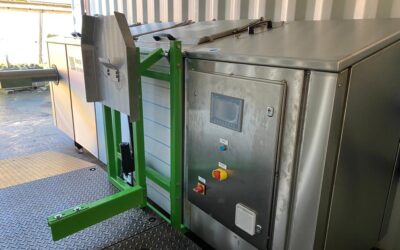
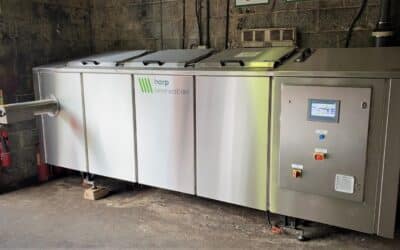
Pfizer selected the Harp CX5 Biodigester, an aerobic on-site food waste processor, to tackle this challenge head-on.
The Harp CX5 transforms organic waste into high-value fertiliser in under 24 hours, processing up to 5,000 litres of food waste per week. Fully automated, the system requires minimal manual intervention while ensuring safe and consistent operation.
Key Features & Benefits:
-
Fully automated system: Reduces operational effort and risk of error.
-
Advanced monitoring: Controls temperature, pH, and moisture to optimise digestion.
-
Rapid processing: Converts organic waste into nutrient-rich fertiliser in less than 24 hours.
-
Environmental impact: Significantly reduces landfill contributions and associated transport emissions.
-
Safety first: Equipped with safeguards to prevent overpressure and maintain operational security.
By incorporating the CX5, Pfizer turned a waste challenge into a valuable sustainability solution aligned with its corporate climate action goals.
USA Project: Driving Sustainability Across Pfizer’s North American Operations
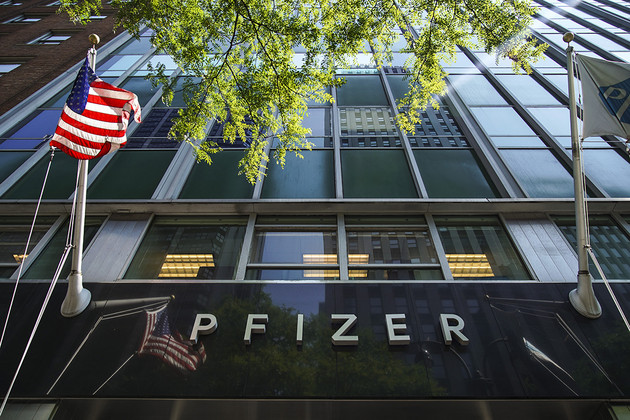
At Pfizer’s US headquarters and manufacturing sites, the Harp CX5 became an integral part of daily operations.

Specifications
- Equipment: Harp CX5 with built in bin lifter
- Waste Stream: On-site canteen waste.
- Capacity: 715 Litres/Day, 5000 Litres/Week, 260,000 Litres/Year
- Estimated CO2 Savings: -3227.4 KgCO2eq (- 3.2 Tonnes CO2eq)
Implementation Highlights:
-
Staff cafeterias and catering services feed organic waste directly into the CX5.
-
Automated sensors continuously optimise digestion, requiring minimal human oversight.
-
The process converts thousands of liters of food waste weekly into fertiliser that can be reused onsite or locally.
Impact:
-
Reduction of landfill waste: Thousands of liters of food waste are diverted every week.
-
Lower carbon footprint: Reduced transport and methane emissions contribute to Pfizer’s US carbon neutrality targets.
-
Operational efficiency: Staff save time previously spent handling and transporting waste.
This deployment demonstrates how innovative technology can align environmental responsibility with operational efficiency in large-scale facilities.
Ireland Project: Sustainability Across Borders
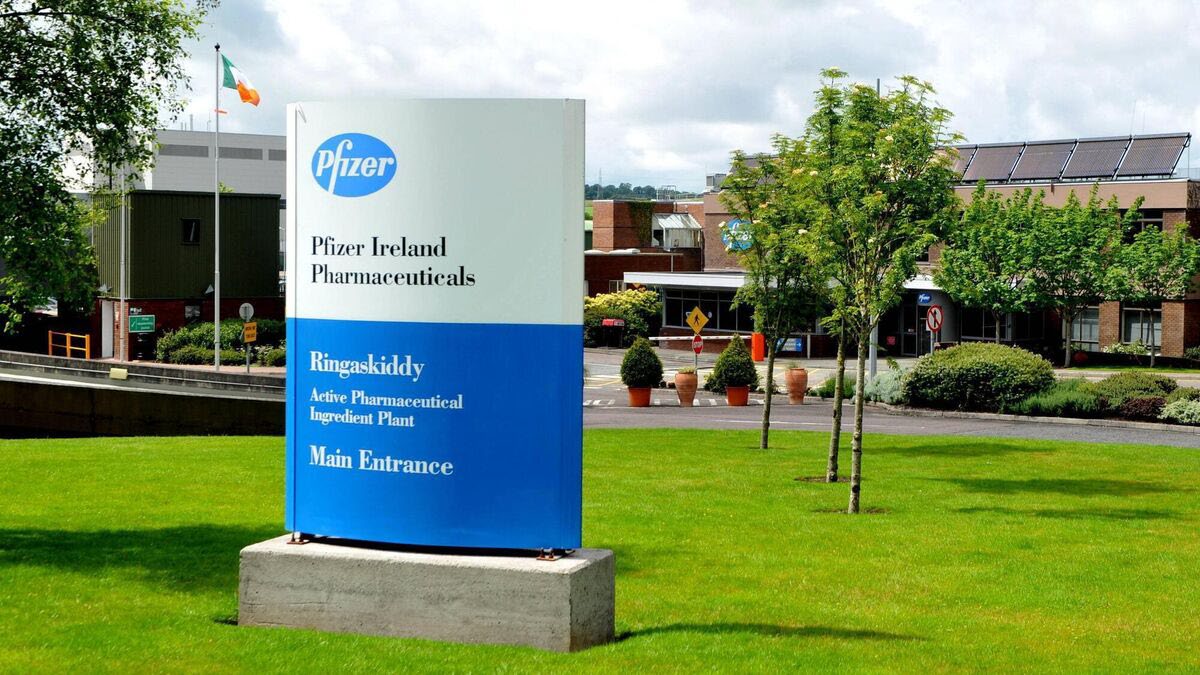
Pfizer’s Irish facilities adopted the Harp CX5 to strengthen the company’s global sustainability mission.

Specifications
• Equipment: Harp CX5 with built-in bin lifter and stacking auger
• Waste Stream: On-site canteen waste.
• Capacity: 715 Litres/Day, 5000 Litres/Week, 260,000 Litres/Year
• Estimated CO2 Savings: -3227.4 KgCO2eq (- 3.2 Tonnes CO2eq)
Implementation Highlights:
-
CX5 units integrated into the daily food service workflow, processing organic waste from staff meals and lab facilities.
-
Nutrient-rich fertiliser produced onsite is applied in landscaping and agriculture, closing the loop on waste.
-
Data collected from the system supports reporting on waste reduction and ESG commitments in Ireland.
Impact:
-
Diverts thousands of liters of organic waste from landfill annually.
-
Supports Ireland-specific environmental regulations and corporate climate action goals.
-
Demonstrates Pfizer’s commitment to replicable, scalable sustainability solutions across multiple geographies.
The success in Ireland complements the US operations, creating a cohesive global model for on-site waste management.
Measurable Impact & Long-Term Benefits
By implementing the Harp CX5 in both the USA and Ireland, Pfizer has achieved tangible environmental and operational benefits:
-
Waste reduction: Thousands of liters of organic waste diverted weekly.
-
CO₂ emissions reduction: Lower methane emissions from landfill diversion and reduced transport.
-
Circular economy contribution: Waste transformed into high-value fertiliser.
-
Operational efficiency: Minimal manual handling and automated reporting support staff productivity.
Looking ahead, Pfizer plans to expand CX5 deployments across additional sites, reinforcing its climate action agenda and demonstrating that sustainability and innovation can go hand-in-hand.
Innovation Beyond Medicine
Pfizer’s partnership with Harp Renewables shows that innovation isn’t limited to pharmaceuticals—it extends to operational sustainability.
By adopting the Harp CX5 biodigester across facilities in both the United States and Ireland, Pfizer has demonstrated how innovative technology can support meaningful environmental progress. Food waste that would previously have contributed to landfill emissions is now processed on-site and repurposed into a beneficial by-product.
This shift represents more than just a change in waste management practices. It reflects a broader transition toward circular thinking, where materials are kept in use for as long as possible and waste is viewed as a potential resource. For Pfizer, the CX5 biodigester supports this philosophy while also delivering practical operational benefits.
As organisations around the world work to reduce their environmental impact, solutions like the Harp CX5 provide a clear pathway toward more sustainable operations. Pfizer’s implementation highlights how large-scale companies can take measurable steps toward climate action while continuing to deliver excellence in their core mission of improving global health.


0 Comments