


Nestled in the picturesque village of Howth, just north of Dublin, King Sitric Seafood Bar & Guesthouse has long been celebrated for its fresh, locally sourced seafood and stunning views of the Irish Sea. But King Sitric is more than a destination for food lovers and travelers seeking a relaxing coastal stay—it is a restaurant and guesthouse committed to sustainable practices that benefit both the environment and the local community.
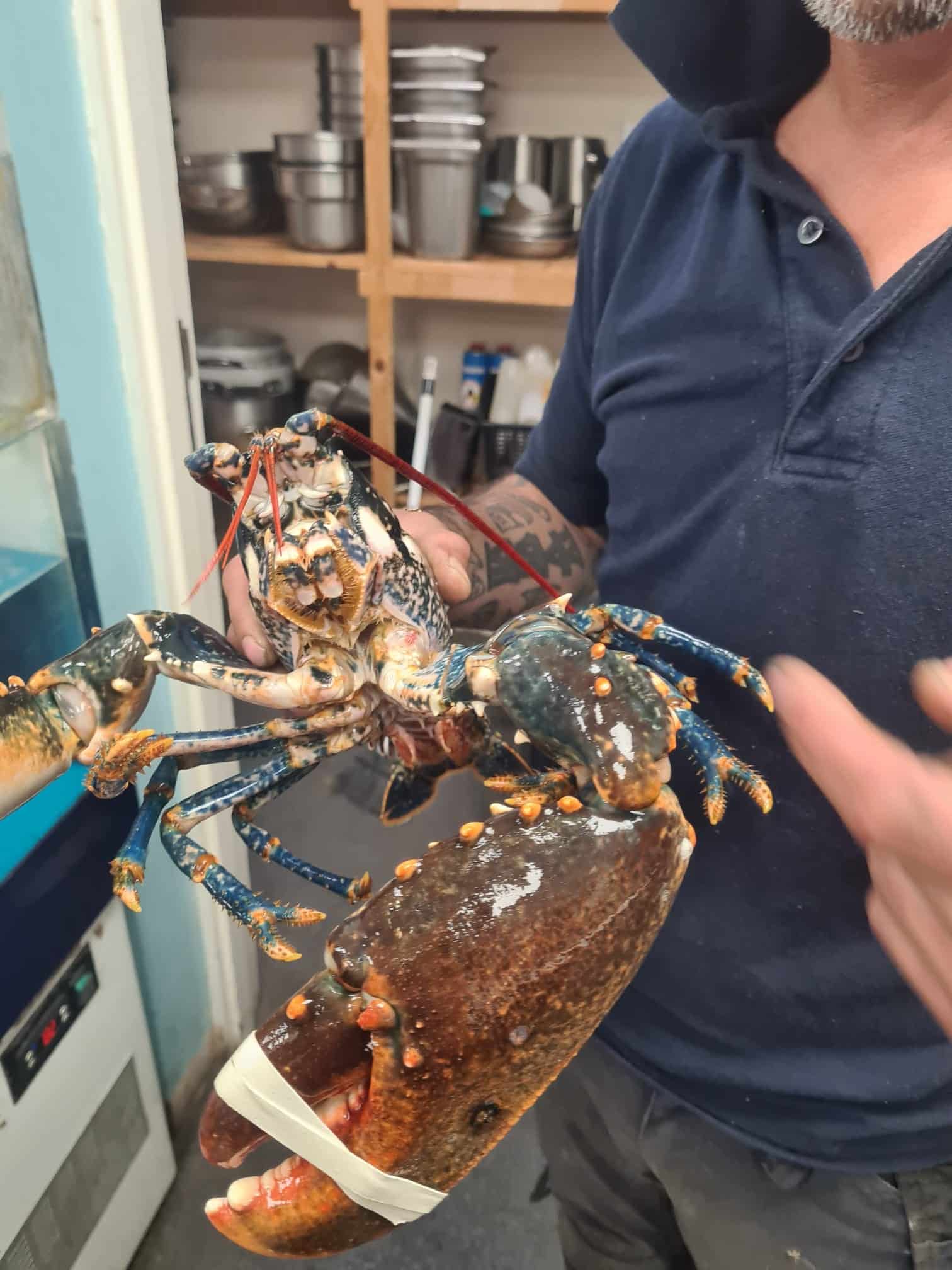
From the moment guests arrive, sustainability is evident. The restaurant sources fish, shellfish, and other marine delicacies directly from Howth’s waters, prioritising seasonal and locally caught seafood. This approach not only guarantees the highest quality dishes but also significantly reduces the carbon footprint associated with long-distance transportation.
Closing the Loop on Food Waste
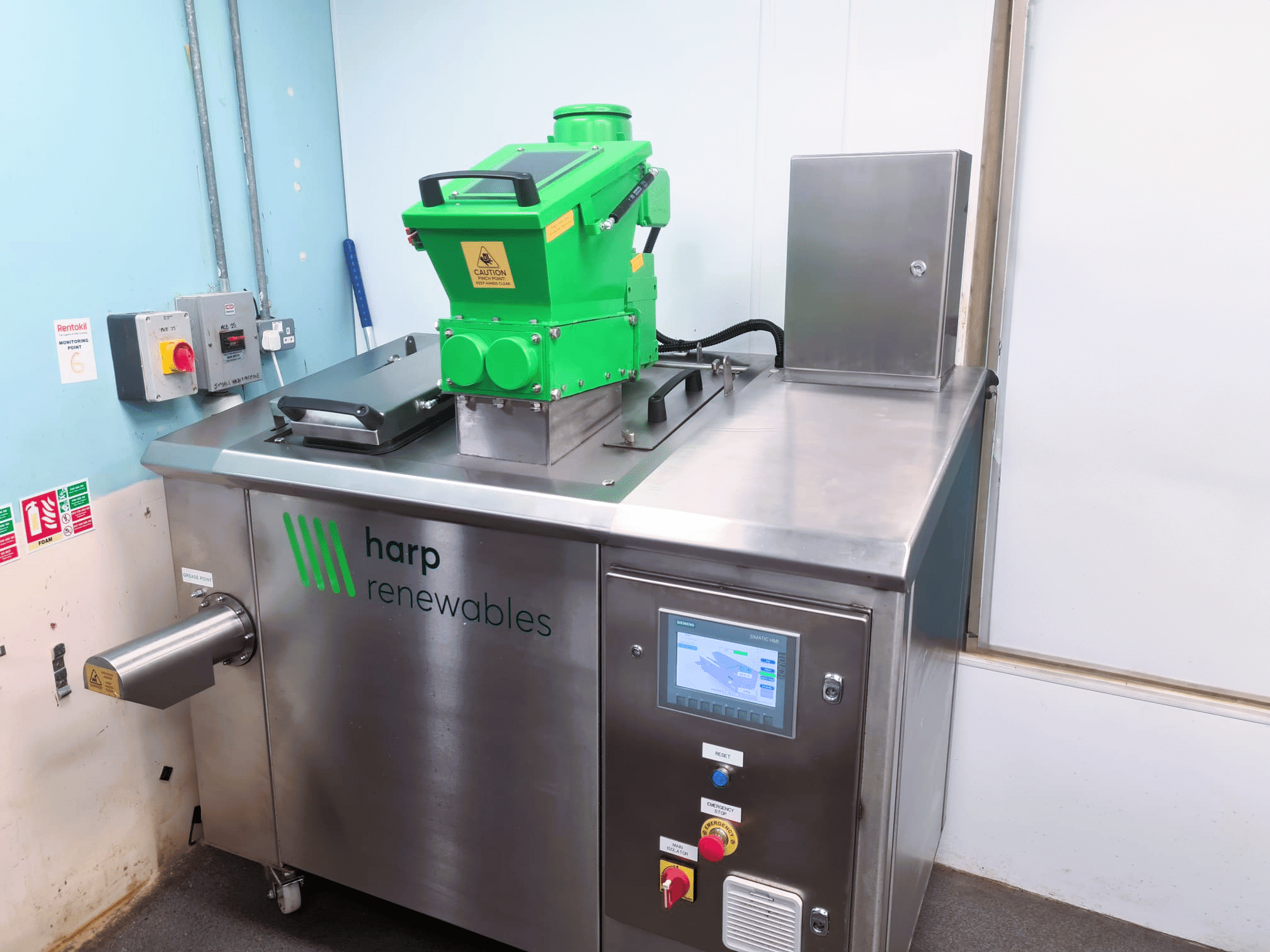
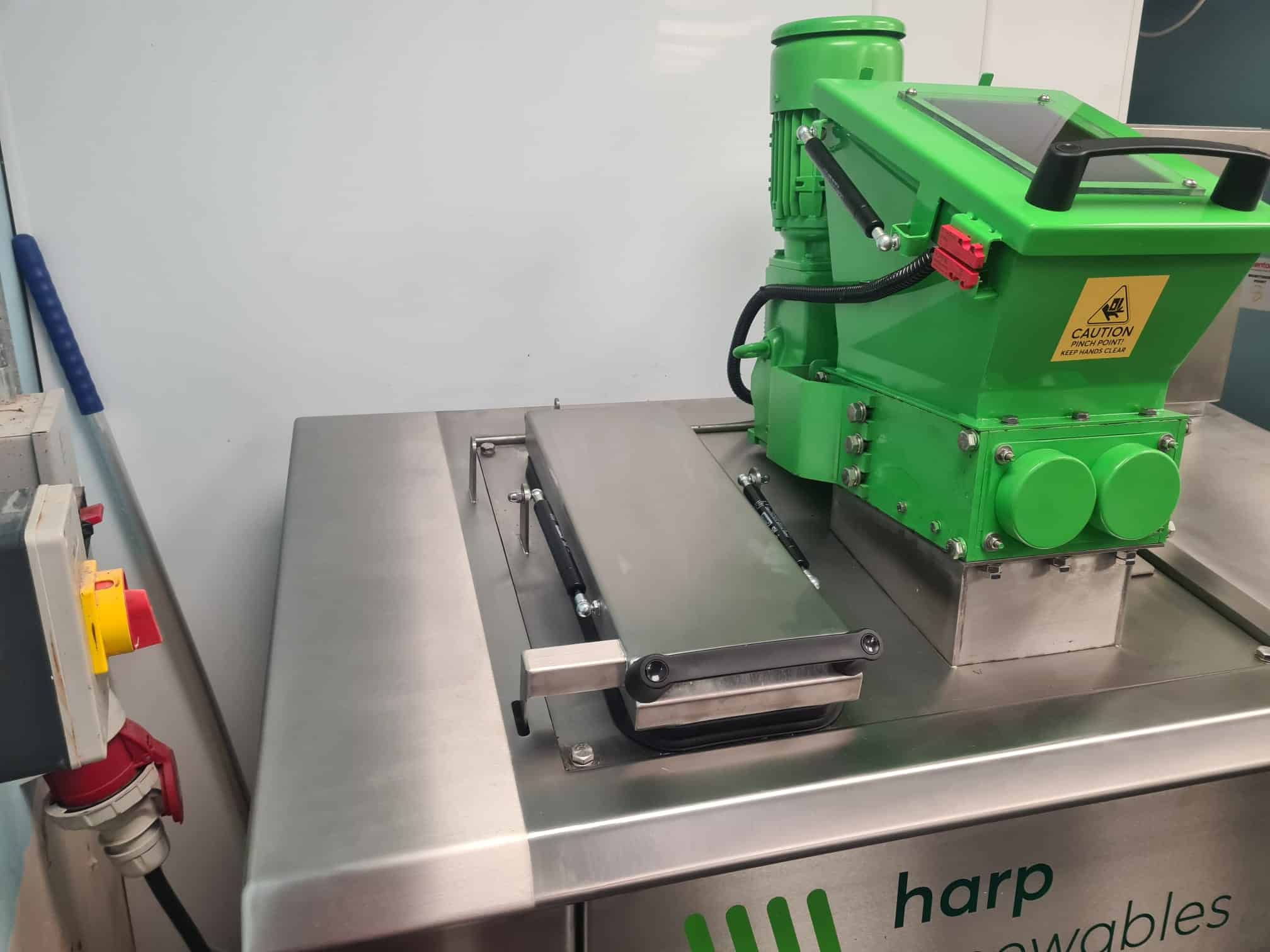
King Sitric’s commitment to sustainability extends beyond sourcing practices to operational waste management. Recognising the environmental impact of organic waste, the restaurant and guesthouse partnered with Harp Renewables to install a Harp CX1 Biodigester, an on-site food waste processor tailored for small to medium hospitality businesses.
The CX1 allows King Sitric to process up to 1,000 litres of organic waste per week, converting food scraps into a nutrient-rich compost-like byproduct within 24 hours. Using aerobic digestion—a process in which microbes break down organic material in the presence of oxygen—the system transforms kitchen waste into a valuable fertiliser, suitable for local gardens or small-scale agriculture.
A built-in shredder ensures even tougher materials, such as fish bones and shells, are efficiently broken down, creating a smooth, uniform output. By handling waste on-site, King Sitric significantly reduces the volume of food sent to landfill, while lowering carbon emissions from collection and transport.
Key Features and Specifications
- Equipment: Harp CX1 with a built-in shredder
- Waste Stream: Kitchen waste.
- Capacity: 142 Litres/Day, 1000 Litres/Week, 52,000 Litres/Year
- Estimated CO2 Savings: -203.6 KgCO2eq
The Harp CX1 operates with minimal manual intervention, making it easy for staff to integrate into daily operations while ensuring safety and efficiency.
Tangible Results and Benefits
Since its installation, the CX1 has delivered measurable sustainability benefits for King Sitric:
-
Minimised Food Waste: Organic waste is processed immediately on-site, reducing the volume sent to landfill and preventing methane emissions.
-
Reduced Carbon Emissions: Fewer waste collection trips are required, lowering the restaurant’s overall carbon footprint.
-
Cost Efficiency: On-site processing decreases reliance on external waste disposal services, lowering operational costs.
-
Nutrient-Rich Fertiliser: The by-product supports local agriculture or the restaurant’s own gardening, promoting a circular approach to food waste.
This integration allows King Sitric to transform operational waste into a resource that benefits both the environment and the surrounding community.
Supporting Community and Environmental Goals
King Sitric’s approach to sustainability is holistic. By sourcing locally and managing waste innovatively, the guesthouse and restaurant set an example for small hospitality businesses. The CX1 enables them to turn unavoidable food scraps into fertiliser, closing the loop between kitchen and garden while maintaining a clean, efficient operation.
Guests can enjoy fresh, sustainable seafood with confidence, knowing that every part of the dining and lodging experience—from sourcing to waste management—is designed with environmental stewardship in mind.
A Model for Small-Scale Sustainable Hospitality
King Sitric demonstrates that sustainability is achievable without compromising quality or guest experience. By combining responsible seafood sourcing with innovative waste management technologies like the Harp CX1, the restaurant and guesthouse not only reduce environmental impact but also actively contribute to a greener, more circular economy in their local community.




0 Comments