

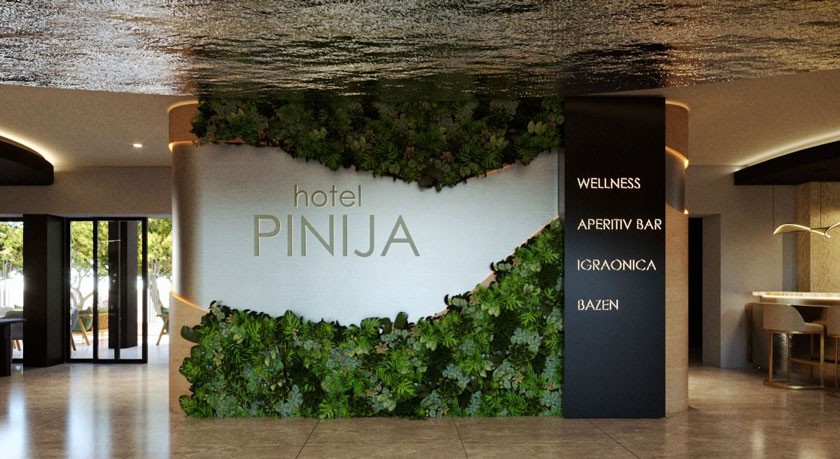
Situated just 12 km northwest of Zadar, Hotel Pinija has long been celebrated as a family-friendly resort, offering guests a mix of relaxation, wellness, and cultural exploration. With its pristine beaches, pools, restaurants, and spa facilities, Hotel Pinija combines leisure and comfort in a stunning Adriatic setting.
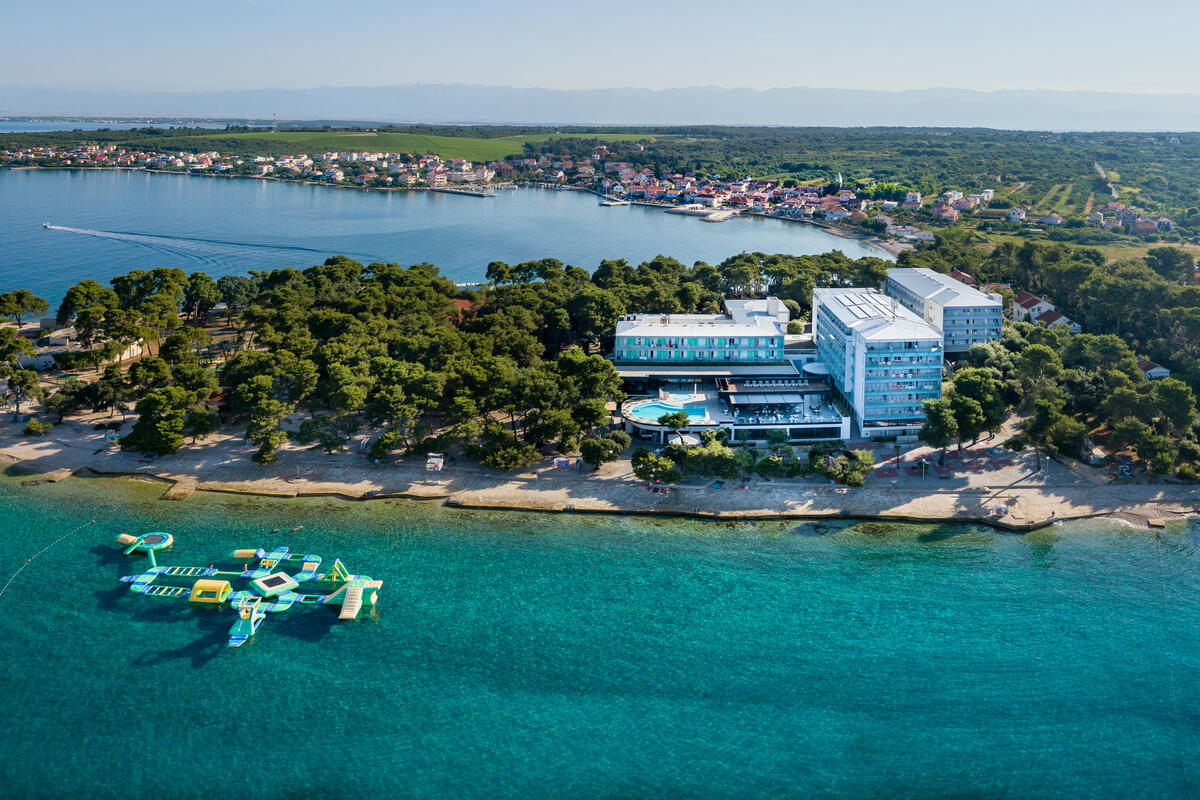
Beyond providing memorable guest experiences, the hotel has made sustainability a central part of its operations. Recognising the importance of environmental responsibility, Hotel Pinija has implemented a range of initiatives to reduce its ecological footprint, particularly focusing on food waste management—a critical area in the hospitality sector.
Reducing Food Waste with Harp CX2
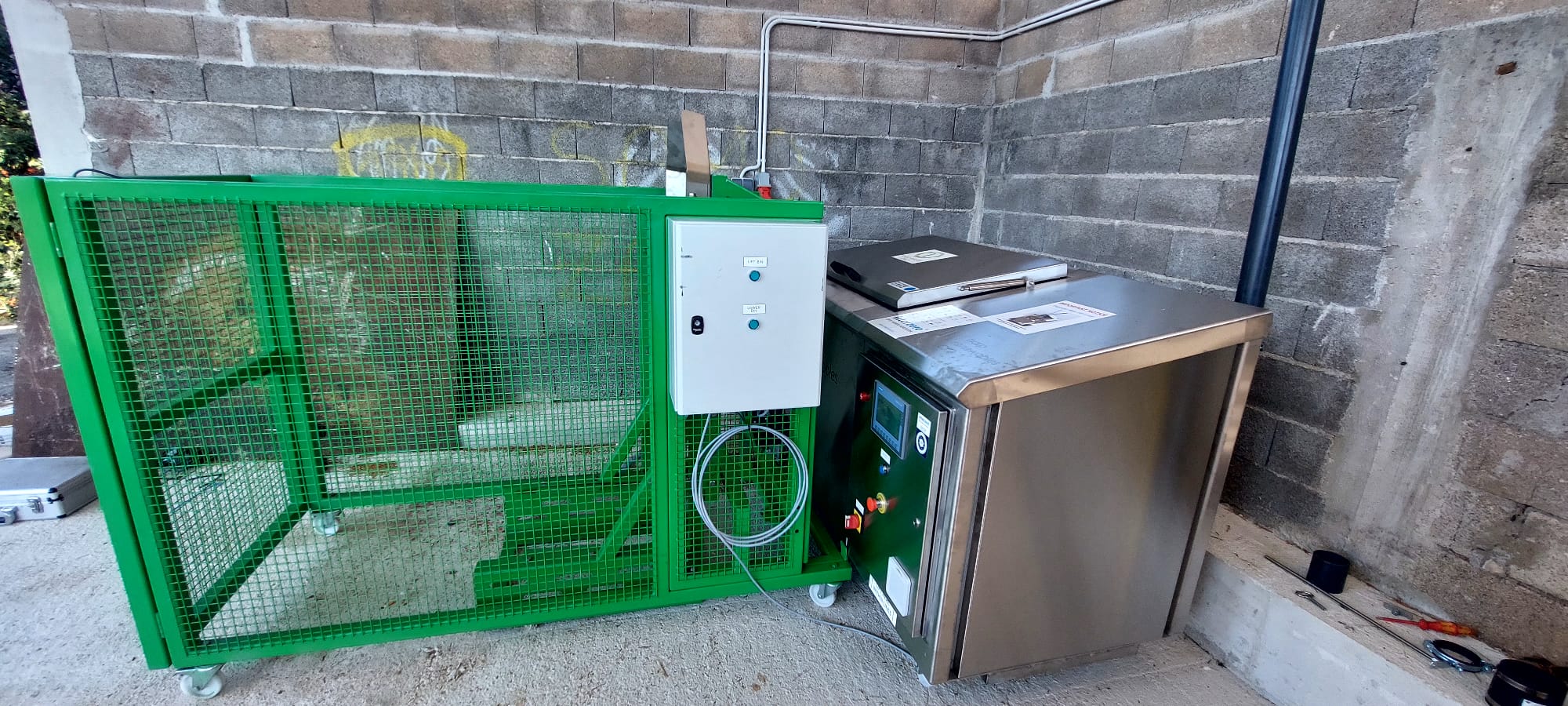
To address this challenge, Hotel Pinija partnered with Harp Renewables to implement the Harp CX2 Biodigester, an on-site aerobic food waste processor. The CX2 converts up to 2,000 litres of organic waste weekly into nutrient-rich fertiliser in under 24 hours, creating a circular system where kitchen waste becomes a resource for landscaping.
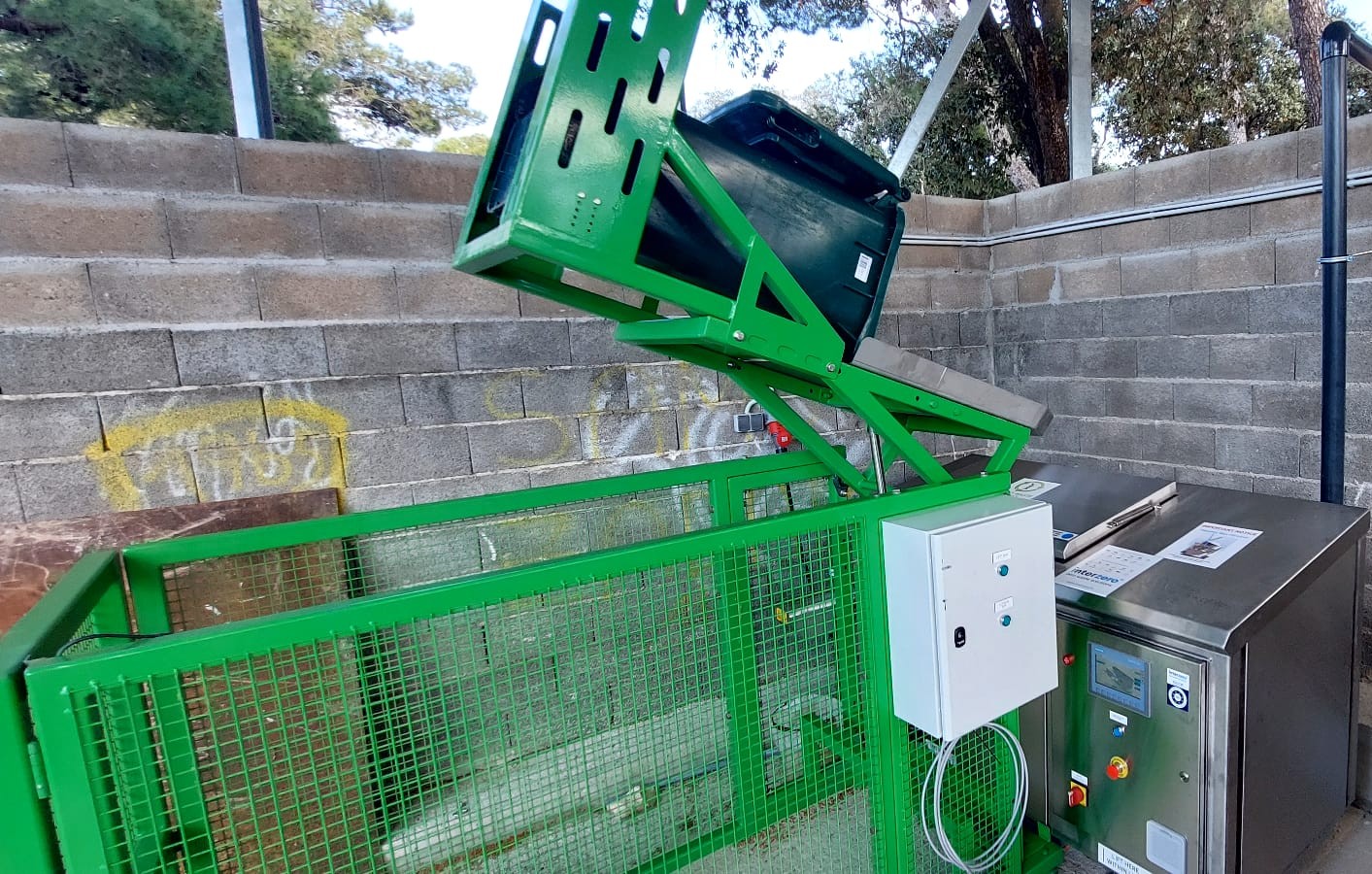
The system operates automatically, using sensors to monitor temperature, pH, and moisture, and a built-in shredder efficiently handles harder items such as fruit peelings or leftover meals. With minimal manual intervention required, kitchen staff can maintain normal operations while the CX2 runs in the background.
Key Specifications:
- Waste Stream: Restaurant Waste
- Capacity: 285 Litres/Day, 2000 Litres/Week, 104,000 Litres/Year
- Estimated CO2 Savings: -1497.2 KgCO2eq (-1.5 Tonnes CO2eq)
- Equipment: Harp CX2 with built-in bin lifter
This capacity allows the hotel to process a significant portion of its organic waste on-site, reducing reliance on external disposal and lowering environmental impact.
Enhancing Guest Experience Through Sustainability
Sustainability is increasingly a factor in guest decision-making. At Hotel Pinija, the Harp CX2 has allowed the resort to:
-
Showcase Green Credentials: Guests notice the hotel’s eco-friendly initiatives, from reduced food waste to composting practices, strengthening the brand’s appeal to environmentally conscious travelers.
-
Improve Facility Cleanliness: On-site waste processing reduces odours and the risk of pests, creating a cleaner and more welcoming environment.
-
Engage Guests in Sustainable Practices: Educational signage about food waste reduction and composting helps guests feel part of the hotel’s environmental mission, increasing satisfaction and loyalty.
These benefits not only elevate the guest experience but also enhance the hotel’s reputation in a competitive market where sustainability is a differentiator.
Tangible Results
Since the CX2 installation, Hotel Pinija has achieved:
-
A reduction of 104,000 litres of food waste annually diverted from landfill.
-
1.5 tonnes CO₂ savings per year from lower waste transport and methane avoidance.
-
Cost reductions in waste management, labour, and fertiliser purchases.
-
Cleaner kitchens, improved landscaping, and a noticeable enhancement in guest perception of the hotel’s environmental commitment.
A Blueprint for Hospitality Leaders
Hotel Pinija demonstrates that sustainability and profitability are not mutually exclusive. By integrating the Harp CX2, the hotel has transformed food waste into a resource, lowered operating costs, and improved guest experience—all while reinforcing its commitment to environmental stewardship.
For hospitality leaders, Hotel Pinija’s example offers a clear takeaway: innovative waste management can create financial savings, operational efficiencies, and stronger guest loyalty, while contributing meaningfully to a greener future.



0 Comments