

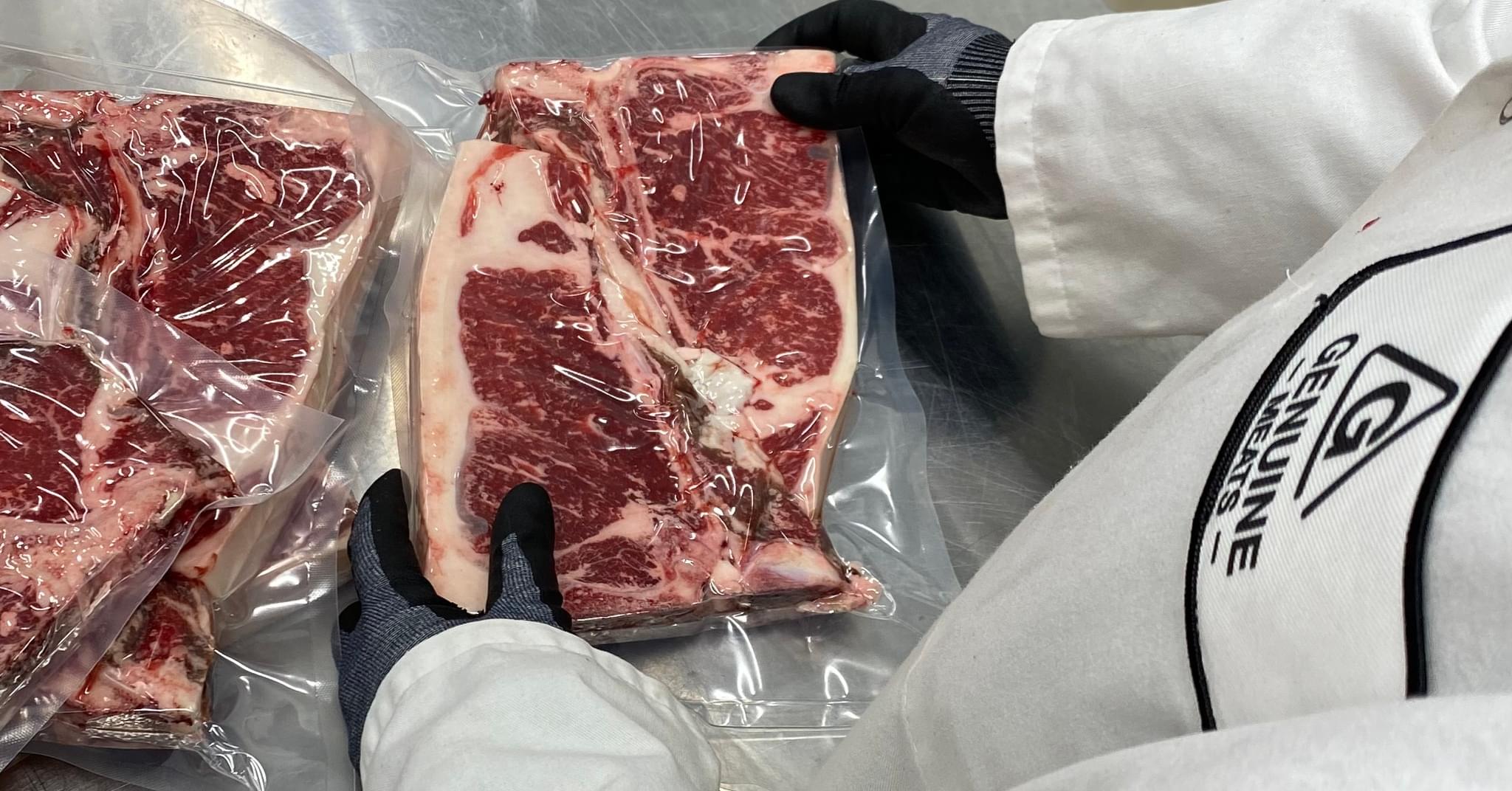
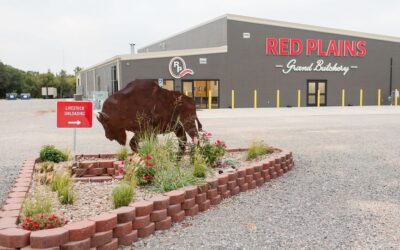
Genuine Meats, a prominent meat processing facility in Wyoming, has built its reputation as a reliable partner for ranchers and livestock producers across the region. Specializing in processing cattle, bison, hogs, and lambs, the facility offers everything from custom processing to wholesale and retail distribution. By keeping operations local, Genuine Meats helps ranchers access premium markets while reducing the carbon footprint associated with transporting livestock to distant processing plants.
As one of the largest USDA-approved meat processing facilities in Wyoming, the company has long been recognized for quality, consistency, and deep community ties. Yet, with scale comes operational challenges—particularly around the management of organic waste generated during processing.
The Challenge: Managing High-Volume Organic Waste
Every day, Genuine Meats produces significant volumes of organic by-products, including bones, offcuts, fats, tallow, and offal. Traditionally, these materials would require off-site disposal, creating a cycle of additional transport, tipping fees, and environmental impact. In a facility processing thousands of pounds of meat daily, this not only represents a logistical burden but also a significant environmental risk.
Landfilling organic waste produces methane, a potent greenhouse gas, while extended storage and transport increase operational costs and create hygiene concerns. Genuine Meats recognized that to maintain operational excellence and uphold its commitment to sustainability, it needed a high-capacity, on-site solution.
Introducing the Harp CX50: Large-Scale Sustainability
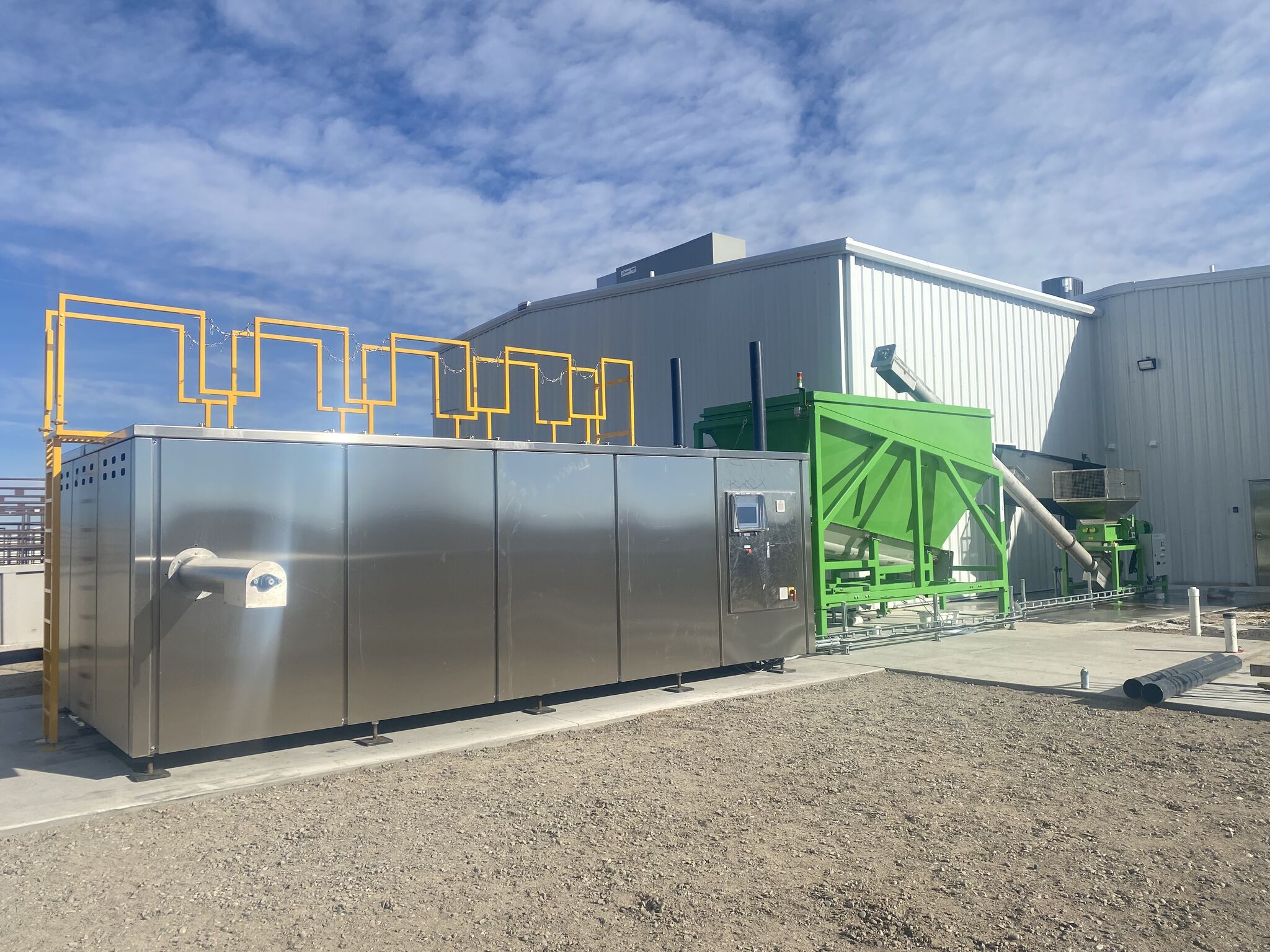
To meet this challenge, Genuine Meats invested in the Harp CX50 Biodigester, one of the most advanced aerobic food waste processors on the market. Designed for high-volume operations, the CX50 can process up to 50,000 liters of organic waste per week, transforming meat by-products into nutrient-rich fertilizer in less than 24 hours.
Specifications
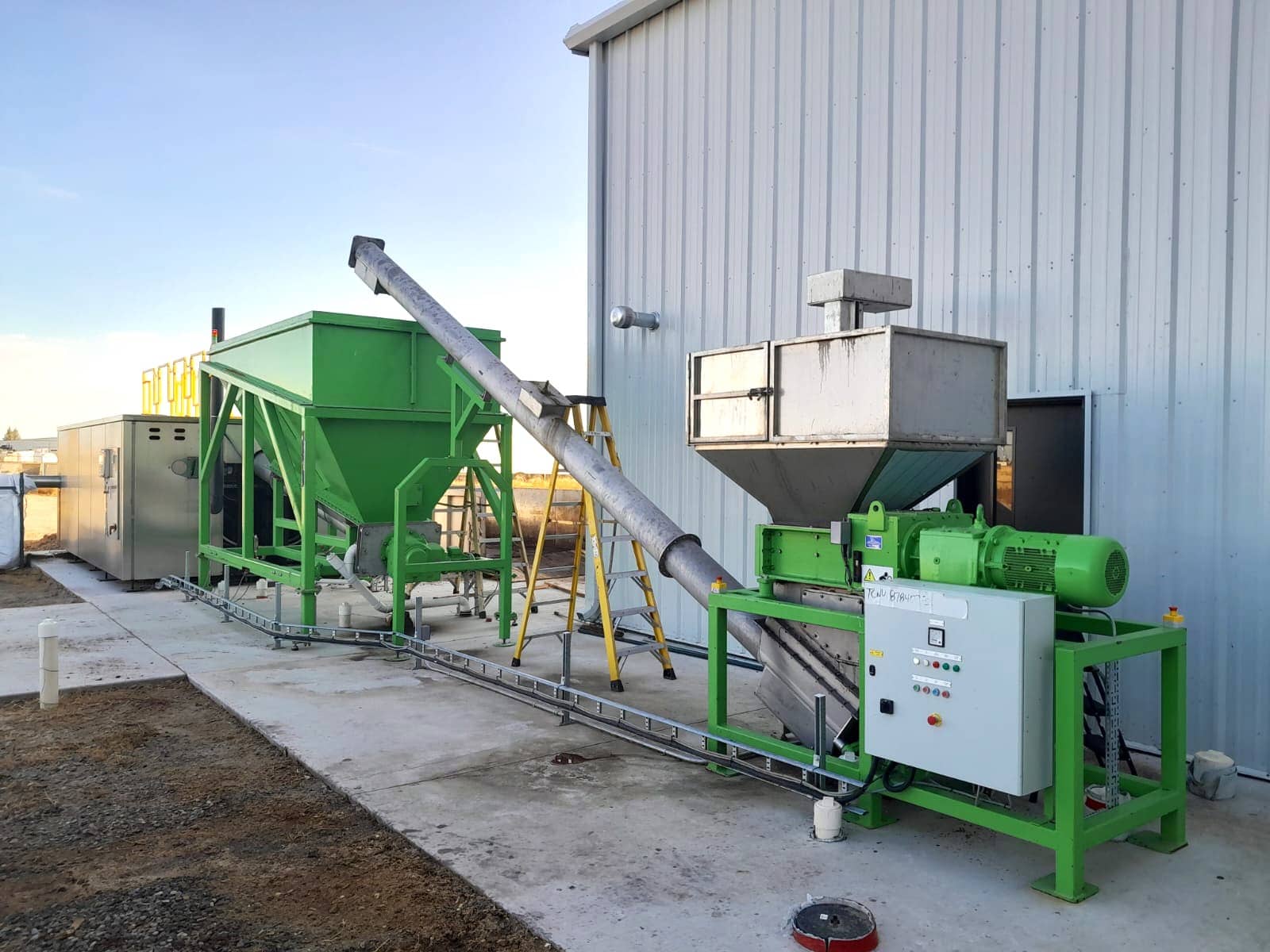
- Equipment: Harp CX50 with an integrated shredder, hopper, and automatic feed system
- Waste Stream: Abattoir/Slaughterhouse waste.
- Capacity: 7145 Litres/Day, 50,000 Litres/Week, 2,600,000 Litres/Year
- Estimated CO2 Savings: -60,421.7 KgCO2eq (- 60.4 Tonnes CO2eq)
The system’s automation is central to its effectiveness. An integrated shredder, hopper, and automatic feed system allows for continuous operation with minimal manual intervention, making the system reliable and suitable for a busy industrial facility.
Transforming Operations and Environmental Impact
Since installing the CX50, Genuine Meats has seen a profound impact on both operations and environmental performance. The processor converts more than 4 metric tons of waste daily, dramatically reducing landfill dependency and associated greenhouse gas emissions. The facility estimates a reduction of over 60 tonnes of CO₂ equivalent annually, a significant achievement for an industrial meat processing plant.
Operationally, the CX50 has streamlined waste handling, reduced labor requirements, and improved sanitation. Foul odors and rodent activity, which can accompany large-scale meat processing, are significantly reduced, creating a cleaner, safer environment for employees and visitors.
Economic and Strategic Benefits
Beyond environmental improvements, the CX50 has contributed to cost savings and operational resilience. By reducing the need for off-site disposal and transport, Genuine Meats has lowered operational expenses while gaining a more predictable and controlled waste management process.
The nutrient-rich byproduct also has economic potential. Fertilizer produced by the CX50 can be supplied to local farms or landscaping projects, creating a circular system that benefits the regional agricultural ecosystem. This not only reinforces Genuine Meats’ commitment to local sustainability but also strengthens community and ranching partnerships.
We found Harp Renewables incredibly professional. In the past, fats, oils, and grease from our waste had proven difficult to deal with. On site storage of this waste during the haulage pick up internals often causes foul odours and a complicated animal control system to be put in place. With Harps Bio-technology, expertise in enzymes and decomposition and fertiliser knowledge, they helped us turn a difficult problem into a solution that sampled our rodent control reduced our foul odours”
Leading by Example in Meat Industry Sustainability
Genuine Meats demonstrates that large-scale meat processing and environmental stewardship are not mutually exclusive. By integrating innovative technology like the Harp CX50, the company has transformed a traditional challenge into an operational advantage, reducing costs, supporting local agriculture, and improving environmental outcomes.
For other processors looking to modernize responsibly, Genuine Meats provides a model: sustainability can enhance efficiency, create new opportunities, and solidify a brand’s leadership in the market—all while staying true to local heritage and quality standards.


0 Comments