
Suretank’s Commitment to Sustainability: Tackling Food Waste with Harp Home Composter
As a leading manufacturer and supplier of tank containers and specialist equipment, Suretank is committed to reducing its environmental footprint, ensuring safety, and innovating across its operations. The company has long been known for its cutting-edge technology in the transportation of liquids and gases, but its dedication to sustainability goes beyond its primary business operations. Suretank is taking big strides in reducing waste and lowering carbon emissions by tackling an often-overlooked issue: food waste
Tackling Food Waste in the Canteen
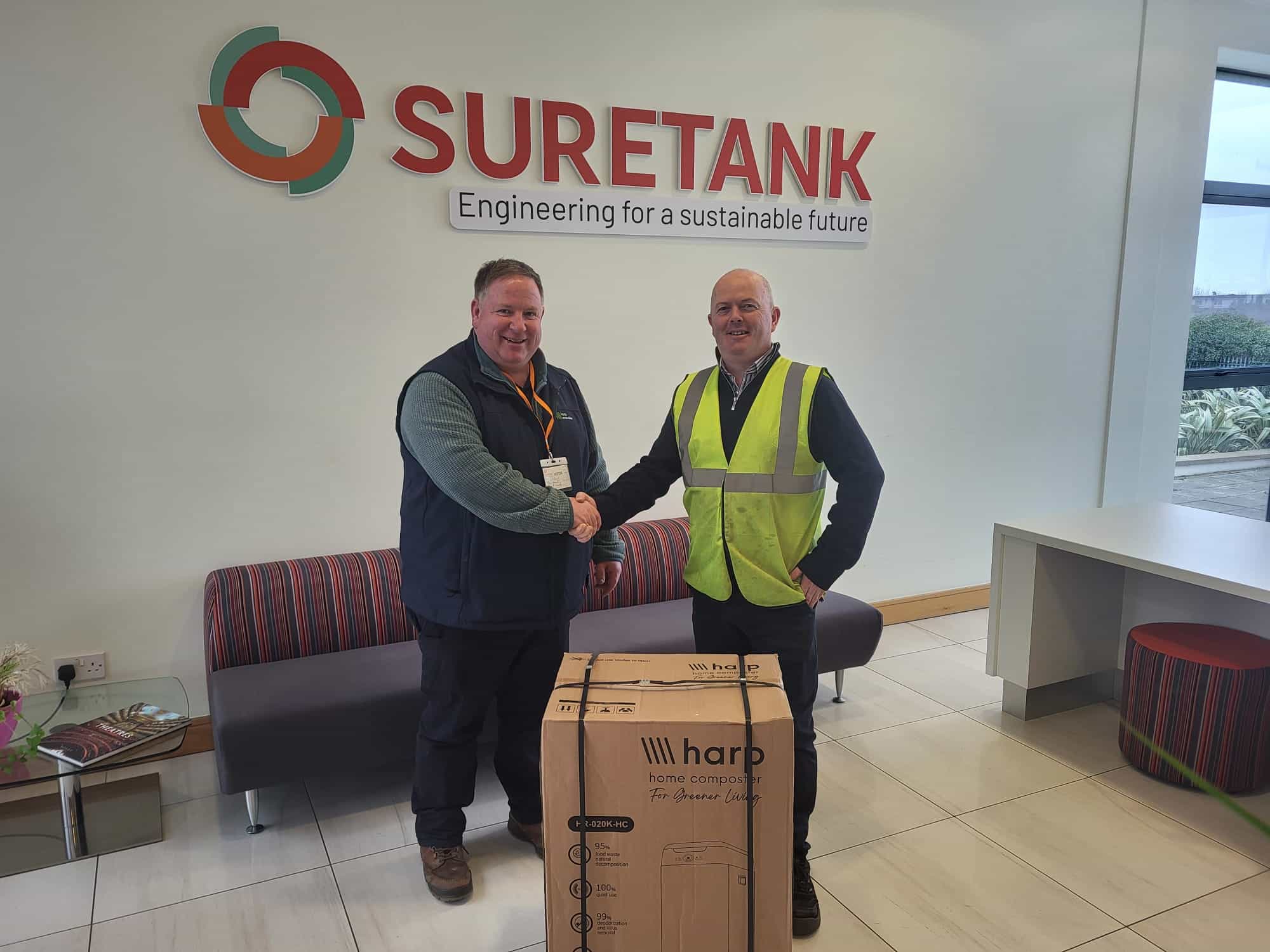
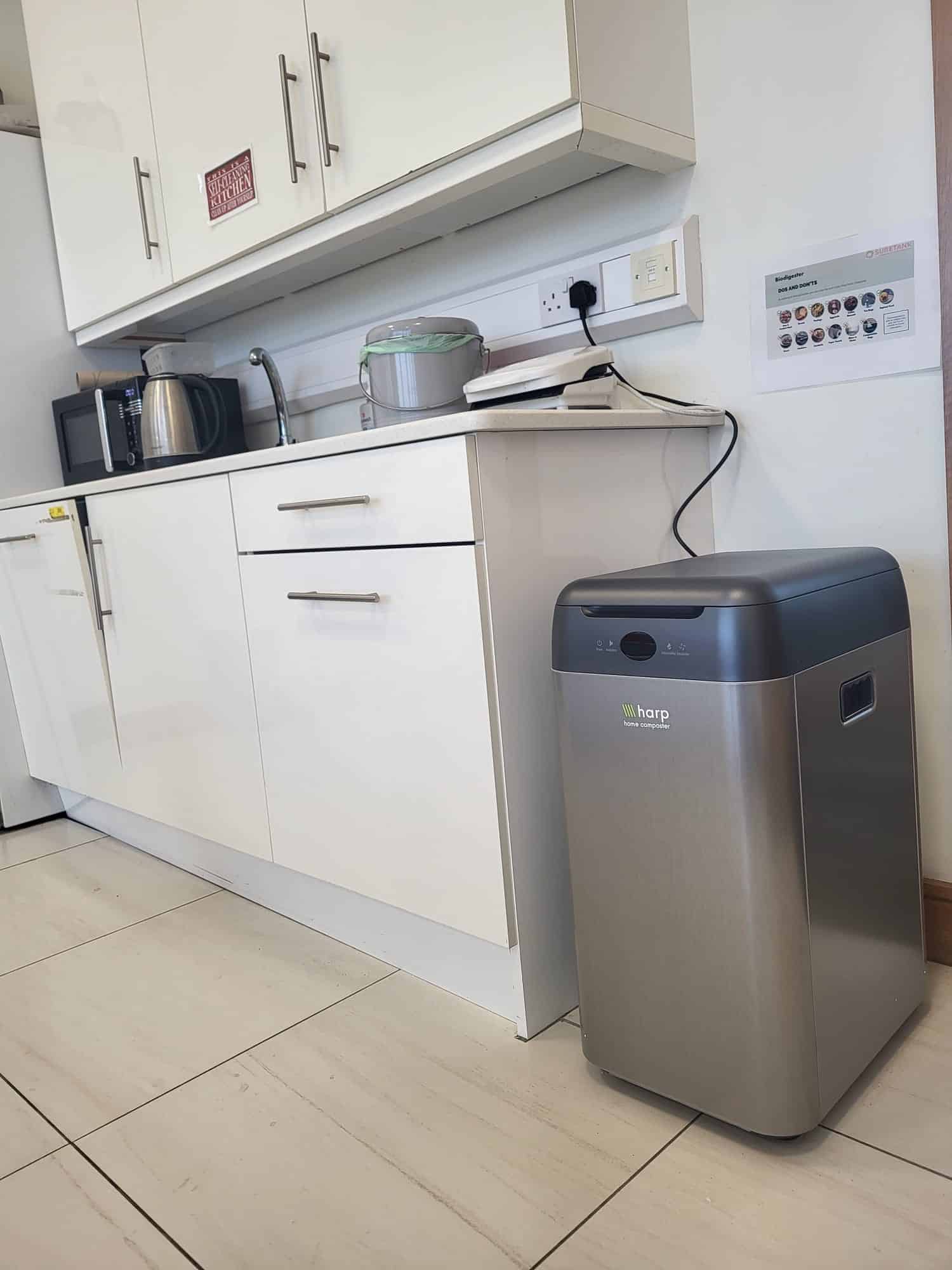
Food waste is an issue many businesses face, but Suretank has taken a proactive approach to address it. In line with its sustainability agenda, Suretank invested in the Harp Home Composter, a compact and efficient solution designed to handle organic material and convert it into nutrient-rich compost. The Harp Home Composter is perfect for transforming food waste from Suretank’s canteens into a valuable resource that can be used to enrich the soil.
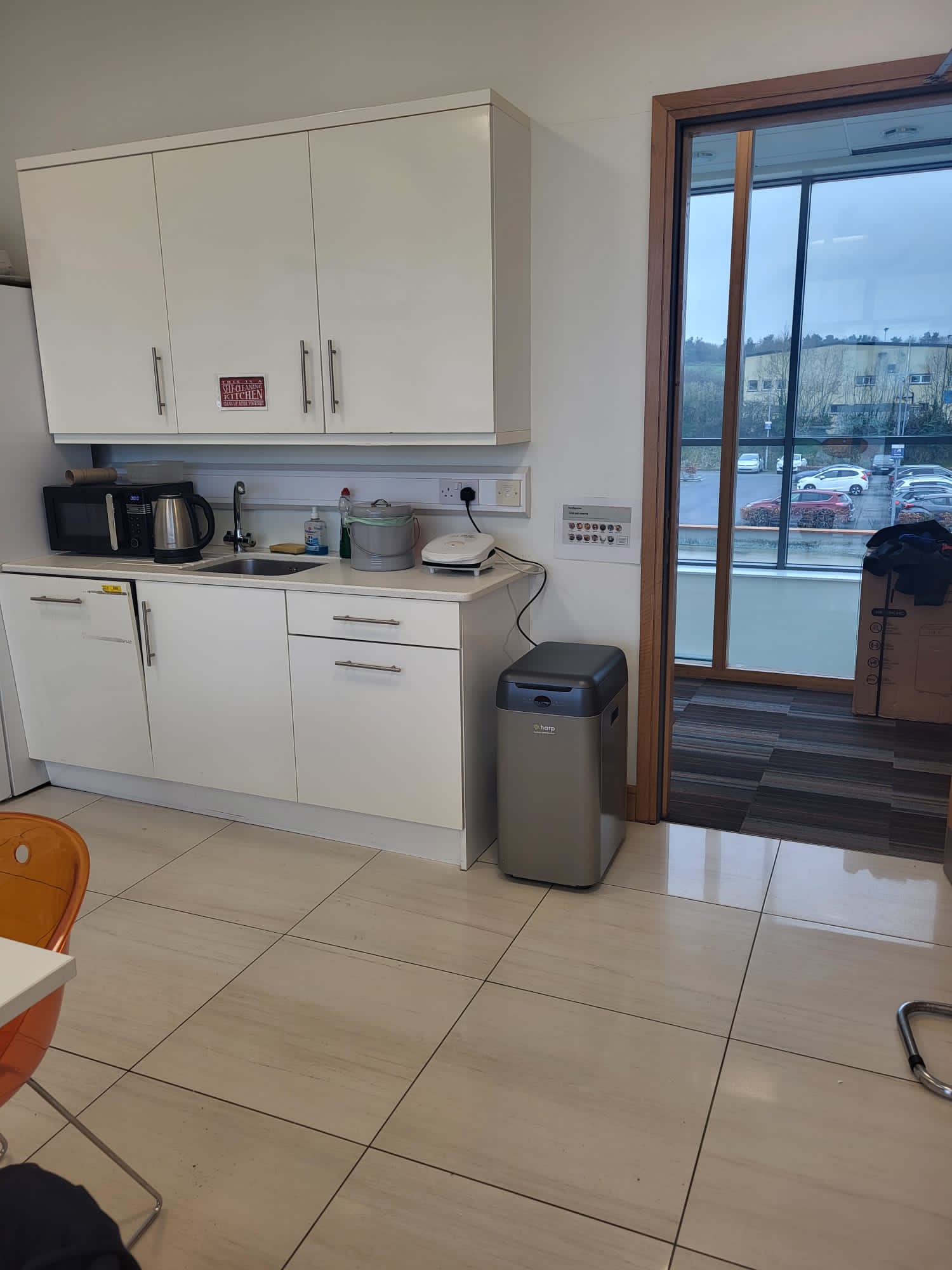
By incorporating the Harp Home Composter into their operations, Suretank has reduced food waste, lowered disposal charges, and minimised its carbon footprint. This shift in operations has proven successful, and the company has even expanded its use of the composter by ordering two additional machines for each of their canteens.
The Harp Home Composter
This innovative machine is a compact, efficient and easy-to use home composting solution that is designed to handle a variety of organic material, transforming your kitchen waste into enriched compost. This valuable byproduct in the digestion of organic food waste is a nutrient-rich fertiliser that can be used to enrich soil, therefore improving soil structure, water retention, as well as nutrient content.
Specifications
- Equipment: Home Composter
- Waste Stream: Canteen Waste
- Capacity: 2kg/day, 10-12kg/week, 520-624kg/year
Making a Positive Environmental Impact
The integration of the Harp Home Composter into Suretank’s daily operations has had measurable results, with the company reducing its food waste by a significant amount. It is estimated that this initiative will prevent 4,512kg of methane from being released into the atmosphere each year. This is equivalent to preventing approximately one tonne of food waste from reaching landfills.
Not only does this help Suretank meet its sustainability goals, but it also contributes to the broader fight against climate change. By using the compost to enhance soil fertility, Suretank is supporting healthier plant life, reducing the need for synthetic fertilisers, and improving overall environmental health.
Results of Food Waste Reduction: Sustainability and Impact
The Harp Home Composter offers multiple environmental benefits, making it an ideal solution for businesses like Suretank.
- Efficient and Quick: Once the food waste is added to the composter, the process begins automatically, and in as little as 24 hours, organic waste is transformed into nutrient-rich compost.
- Reduces Methane Emissions: By converting food waste into compost, the process avoids the release of harmful greenhouse gases such as methane, which would otherwise be emitted from food waste in landfills.
- Minimises Waste Disposal Costs: With a reduction in the amount of food waste that needs to be transported and disposed of, Suretank has significantly lowered its waste disposal charges contributing to cost savings.
- Nutrient-rich fertiliser: The result of the composting process is high-quality fertiliser, which can be used to enhance soil, reduce the need for chemical fertilisers, and support local agricultural efforts.
- Improved Recycling Rates: As the food waste is diverted from general waste bins, Suretank’s canteens now produce cleaner waste, mostly consisting of paper and plastic packaging that can be recycled.
Click Here for an article on our Home Composters by the Farmers Journal.
Below is a video on how our Home Composter work.



0 Comments