

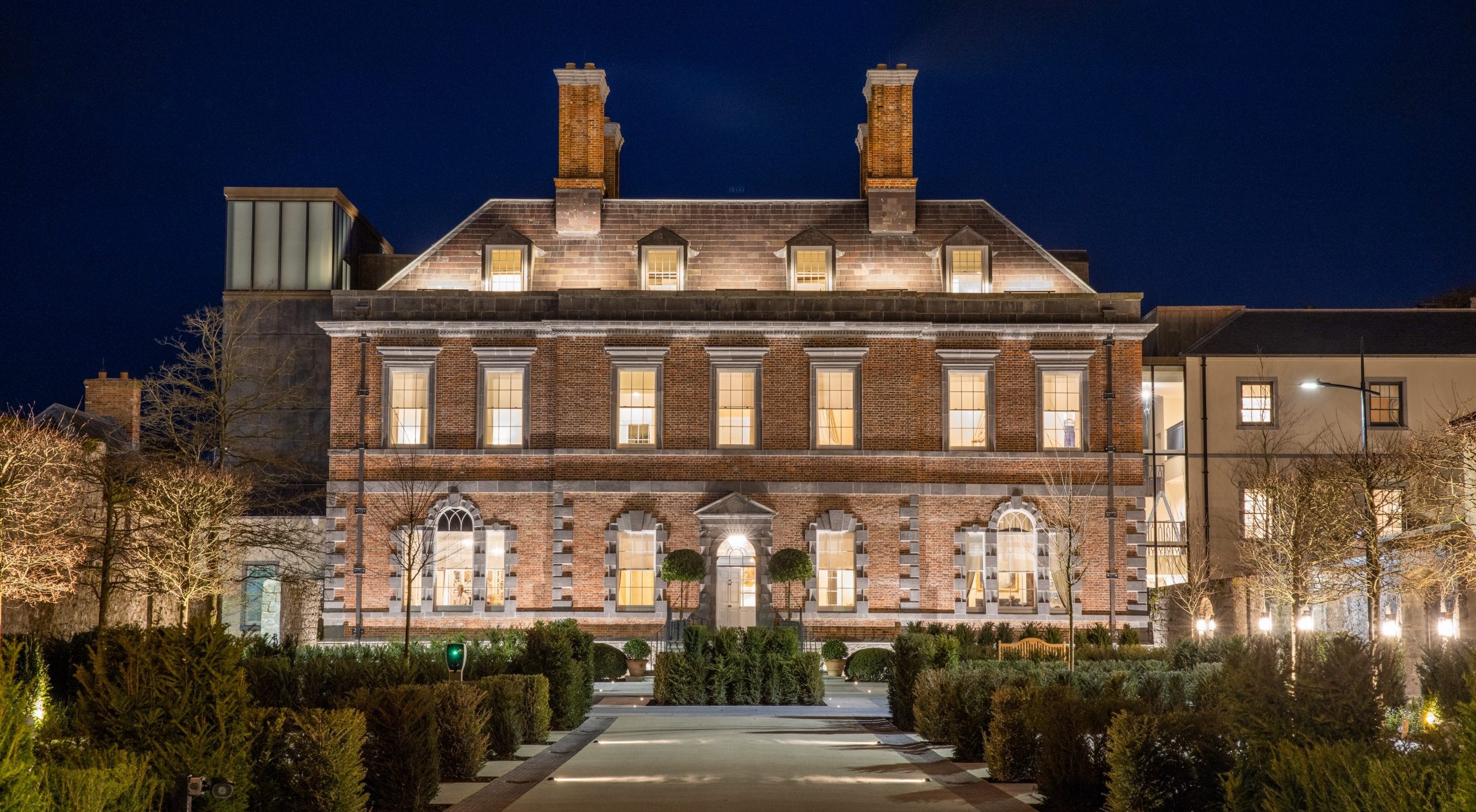
Nestled in the heart of Cashel, County Tipperary, Cashel Palace is a 5-star hotel that blends historical elegance with modern luxury. Originally built in 1732 by Archbishop Theophilus Bolton and designed by renowned architect Sir Edward Lovett Pearce, the hotel stands as a grand example of Georgian architecture. With its classical proportions, large windows, and intricate detailing, the building itself is a piece of living history. And just a short walk away, the famous Rock of Cashel adds evens more allure to this majestic location.
But beyond its rich history and lavish amenities, Cashel Palace has also embraced sustainability as a core part of its operations, setting a new standard in eco-friendly luxury hospitality.
A Commitment to Sustainability
As part of its broader environmental stewardship, Cashel Palace is deeply committed to sustainability. The hotel has implemented a robust recycling program, including sorting organic waste for composting, to ensure that waste is disposed of responsibly. Additionally, the hotel has invested in reducing its carbon footprint by introducing innovative technologies into its operations. One such initiative is the adoption of the Harp CX2 food waste processor, a powerful solution to manage food waste and contribute to the hotel’s sustainability goals.
Transforming Food Waste into Fertiliser
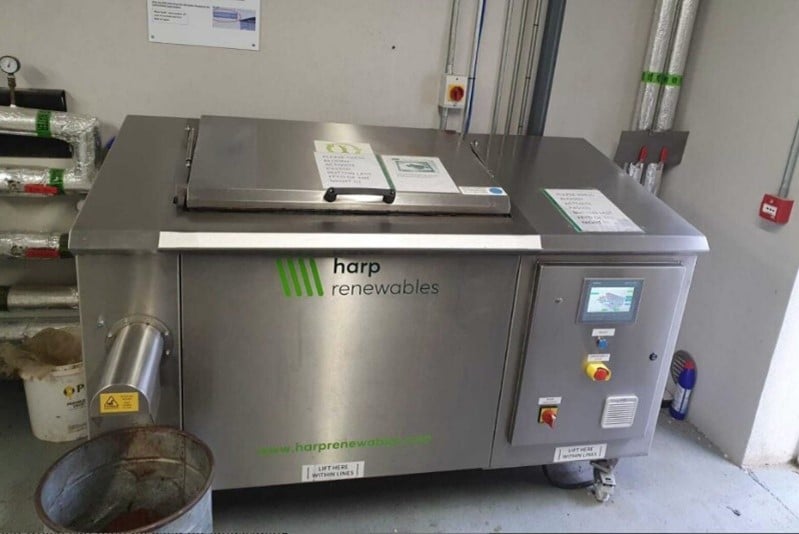
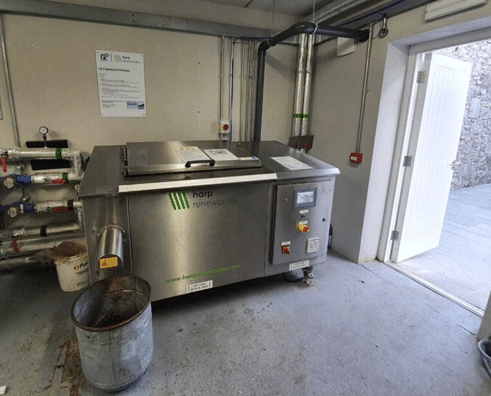
The Harp CX2 is an aerobic on-site food waste processor that allows Cashel Palace to efficiently convert food waste into nutrient-rich fertiliser. Capable of processing up to 2000 litres of organic waste per week, the Harp CX2 is an environmentally friendly machine that works quickly—producing compost in less than 24 hours. With this system in place, food waste from the hotel’s restaurants and dining services no longer ends up in a landfill. Instead, it’s transformed into a valuable resource that can be used in the hotel’s gardens and landscaping, closing the loop on waste and supporting sustainable practices.
How the Harp CX2 Works
The Harp CX2 is designed to be fully automated, reducing the need for manual intervention. It efficiently manages the temperature, pH levels, and other critical parameters required for optimal aerobic digestion. The unit is compact, making it an ideal fit for small to medium-sized hotels and restaurants. Equipped with safety features, the CX2 ensures a safe and reliable operation.
Here’s a closer look at the specifications of the Harp CX2:
Specifications
- Equipment: Harp CX2
- Waste Stream: Restaurant Waste
- Capacity: 285 Litres/Day, 2000 Litres/Week, 104,000 Litres/Year
- Estimated CO2 Savings: -1497.2 KgCO2eq (- 1.5 Tonnes CO2eq)
Positive Results from the Installation
The installation of the Harp CX2 at Cashel Palace has yielded significant benefits both in terms of sustainability and operational efficiency. By diverting food waste from landfills and converting it into valuable fertiliser, the hotel has reduced its environmental impact, including lowering carbon emissions and cutting waste disposal costs.
This food waste processor also supports Cashel Palace’s landscaping and gardening initiatives. The nutrient-rich byproduct created by the Harp CX2 helps enrich the soil, promoting healthier plants and supporting local biodiversity. This closed-loop system reinforces the hotel’s commitment to sustainability, allowing it to maintain its beautiful grounds while reducing its reliance on chemical fertilizers.
Additionally, the use of such sustainable technologies enhances the hotel’s appeal to eco-conscious travelers. In today’s world, more and more guests value sustainability and environmental responsibility when choosing where to stay. By implementing a food waste processor, Cashel Palace is not only minimizing waste and greenhouse gas emissions but also showcasing its dedication to a greener future.
A Greener, More Sustainable Future
Cashel Palace Hotel is leading the way in sustainable hospitality. By integrating innovative technologies like the Harp CX2 food waste processor into its operations, the hotel has made significant strides toward reducing its environmental impact. The results speak for themselves: reduced waste, lower carbon emissions, enhanced landscaping, and a stronger reputation as a responsible, eco-friendly destination.
As Cashel Palace continues to grow, its commitment to sustainability will undoubtedly play a key role in shaping the future of luxury hospitality. For both guests and the community, the hotel offers a beautiful blend of history, elegance, and environmental consciousness—a true model of what it means to offer luxurious experiences while respecting and preserving the environment for future generations.





0 Comments