

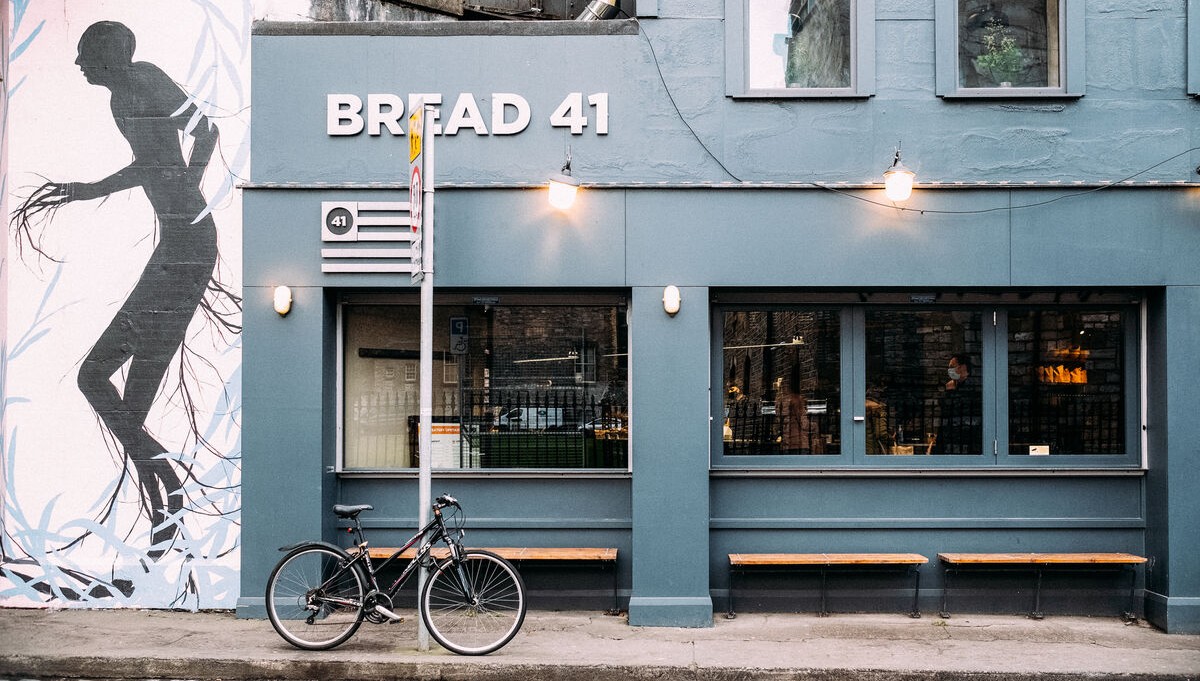
Bread 41 is an award-winning artisanal bakery located in Dublin, Ireland. Known for its dedication to traditional bread-making techniques and exceptional ingredient quality, Bread 41 has become one of the city’s most respected bakeries.
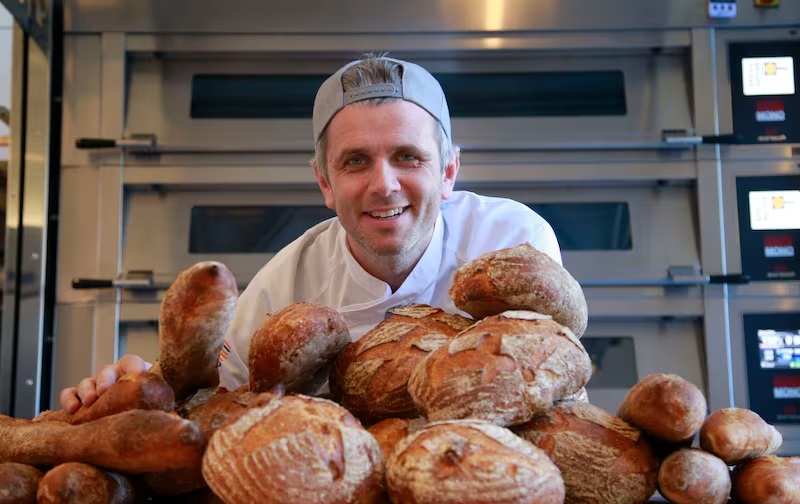
Founded by baker and entrepreneur Eoin Cluskey, Bread 41 specialises in naturally fermented sourdough breads, pastries, and seasonal baked goods crafted using organic and locally sourced ingredients whenever possible. The bakery has earned a loyal following among Dublin locals and international visitors alike, recognised not only for the quality of its products but also for its commitment to responsible and transparent food production.
For Bread 41, baking is not simply about creating exceptional bread—it is also about building a sustainable food system that respects both people and the planet.
A Sustainability Ethos: “No Planet B”
Sustainability lies at the heart of Bread 41’s philosophy. The bakery has developed a strong environmental agenda centred around reducing waste, supporting local farmers, and minimising its overall environmental impact.
Bread 41 prioritises sourcing ingredients from trusted local producers, helping to strengthen Ireland’s agricultural economy while ensuring freshness and traceability. Packaging choices also reflect the bakery’s environmental priorities, with recyclable and biodegradable materials used wherever possible to reduce reliance on single-use plastics.
Despite these efforts, one unavoidable challenge remained: food waste generated during bakery operations. Even in highly efficient bakeries, surplus dough, unsold bread, and kitchen food waste can accumulate daily. For a business committed to sustainability, sending this organic material to landfill was not aligned with its values.
Bread 41 began exploring solutions that would allow the bakery to process organic waste responsibly and transform it into a useful resource rather than treating it as a disposal problem.
The Solution: Harp CX2 Biodigester
To address this challenge, Bread 41 partnered with Harp Renewables to install the Harp CX2 Biodigester, an advanced on-site food waste processor designed for commercial kitchens and food production environments.
The CX2 is an aerobic digestion system that processes organic waste quickly and efficiently, converting food waste into a nutrient-rich fertiliser-like by-product within 24 hours. By treating waste at the source, the system significantly reduces the volume of material requiring external disposal.
Inside the machine, organic waste is broken down using a carefully controlled aerobic process. Sensors continuously monitor key parameters such as temperature and pH to maintain optimal digestion conditions. This automated process ensures consistent performance while requiring minimal operator intervention.
Unlike landfill disposal—where waste decomposes anaerobically and produces methane—the CX2 processes material in the presence of oxygen. This helps reduce greenhouse gas emissions while creating a valuable organic output that can be reused in agriculture or landscaping.

The Harp CX2 installed at Bread 41 provides a compact yet powerful solution for managing organic waste generated by daily bakery operations.
Specifications
-
Equipment: Harp CX2 Biodigester
-
Waste Stream: Kitchen waste and surplus bakery products
-
Daily Capacity: 285 litres
-
Weekly Capacity: 2,000 litres
-
Annual Processing Capacity: 104,000 litres
-
Estimated CO₂ Savings: 1,497.2 kg CO₂e (approximately 1.5 tonnes annually)
These figures demonstrate how even a single food business can achieve measurable environmental impact through improved waste management practices.
Results: A Cleaner, Circular Bakery Operation
The installation of the CX2 was completed through close collaboration between Bread 41 and the Harp Renewables team, ensuring the system integrated smoothly into the bakery’s existing workflow. Once operational, the biodigester quickly became part of the bakery’s daily routine.
Surplus dough, unsold bread, and kitchen food waste are now processed directly on-site rather than being transported away for disposal. Within less than 24 hours, these materials are transformed into a stabilised, nutrient-rich product that can be used as a soil enhancer or fertiliser.
By adopting the CX2 system, Bread 41 has significantly reduced the amount of organic waste sent to landfill while lowering the carbon emissions associated with waste transport and disposal. The technology also contributes to lower waste management costs, helping the bakery operate more efficiently without compromising its environmental values.
Most importantly, the system supports Bread 41’s sustainability philosophy—often expressed through its guiding principle, “No Planet B.” Instead of viewing food waste as an unavoidable by-product of baking, the bakery now treats it as part of a circular system where nutrients are returned to the soil.
A Partnership for Sustainable Food
The collaboration between Bread 41 and Harp Renewables demonstrates how innovative technology can support the hospitality and food production sectors in achieving meaningful environmental improvements.
Beyond the installation itself, the partnership also reflects a shared commitment to education and sustainability advocacy. At events such as Bloom Festival 2024, representatives from Harp Renewables and Bread 41 joined industry leaders to discuss how food waste can be transformed into valuable resources. During the event, Harp Renewables’ founders Joe Cowley and Gerry McDonnell shared insights on sustainable waste technologies alongside Bread 41 owner Eoin Cluskey.
Through initiatives like these, Bread 41 continues to demonstrate that sustainability and exceptional food production can go hand in hand.

Baking a More Sustainable Future
Bread 41’s adoption of the Harp CX2 biodigester highlights how small-to-medium food businesses can take meaningful steps toward reducing their environmental impact. By converting organic waste into a valuable agricultural resource, the bakery has created a practical example of circular food production in action.
In doing so, Bread 41 continues to lead not only in artisanal baking but also in responsible business practices—proving that even the most traditional crafts can play a role in building a more sustainable future.
Learn More About Bread 41’s Sustainability Journey
For more insight into Bread 41’s commitment to sustainability, check out the following:
- RTE News Snippet: Bread 41’s sustainable practices, including the Harp CX2, featured in RTE news.
- Articles: Read about Bread 41’s sustainability journey and its efforts to combat climate change.


0 Comments