
Nestled along the banks of the River Thames, Kew Gardens is more than just a world-famous botanical garden—it’s a living laboratory for sustainability. With over 1.5 million visitors every year, Kew’s cafés, restaurants, and catering services serve thousands of meals daily. But like any busy operation, food waste had quietly become a challenge. Every leftover plate, peel, and unsold ingredient was a missed opportunity—a resource heading to landfill, producing methane and undermining the garden’s environmental goals.
For a place that champions plant life and conservation, this was unacceptable. The team at Kew Gardens knew that to truly lead in sustainability, they needed a solution that transformed waste into something valuable.
A Modern Solution for an Age-Old Problem
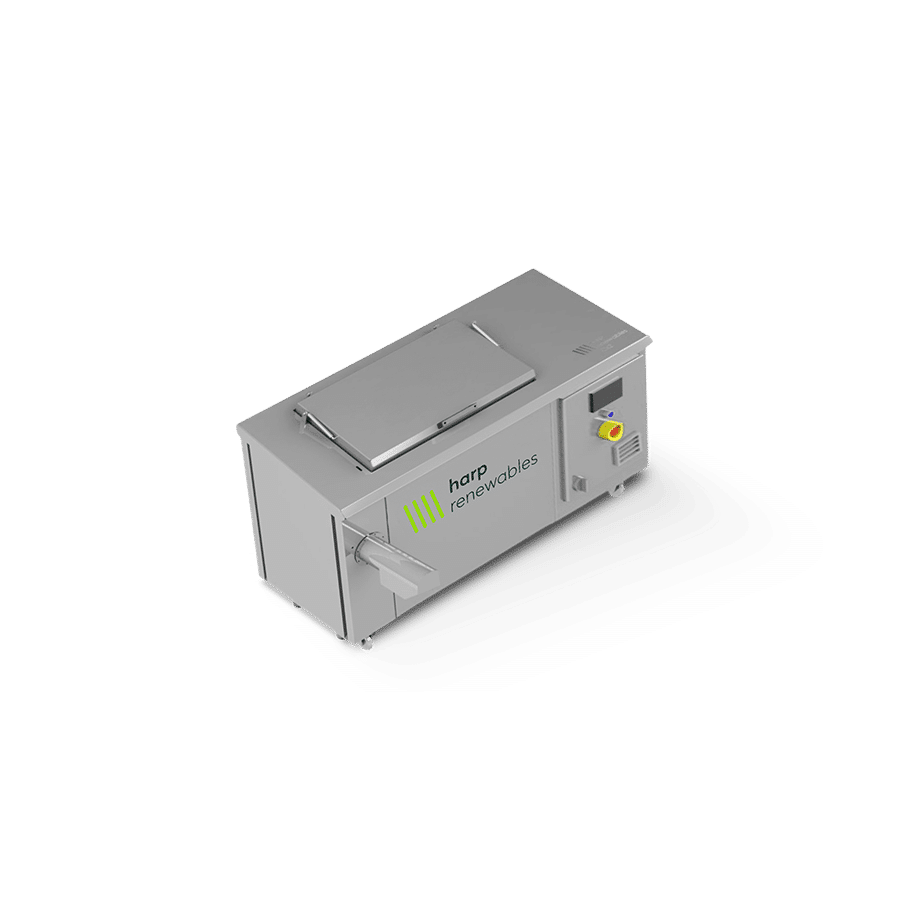
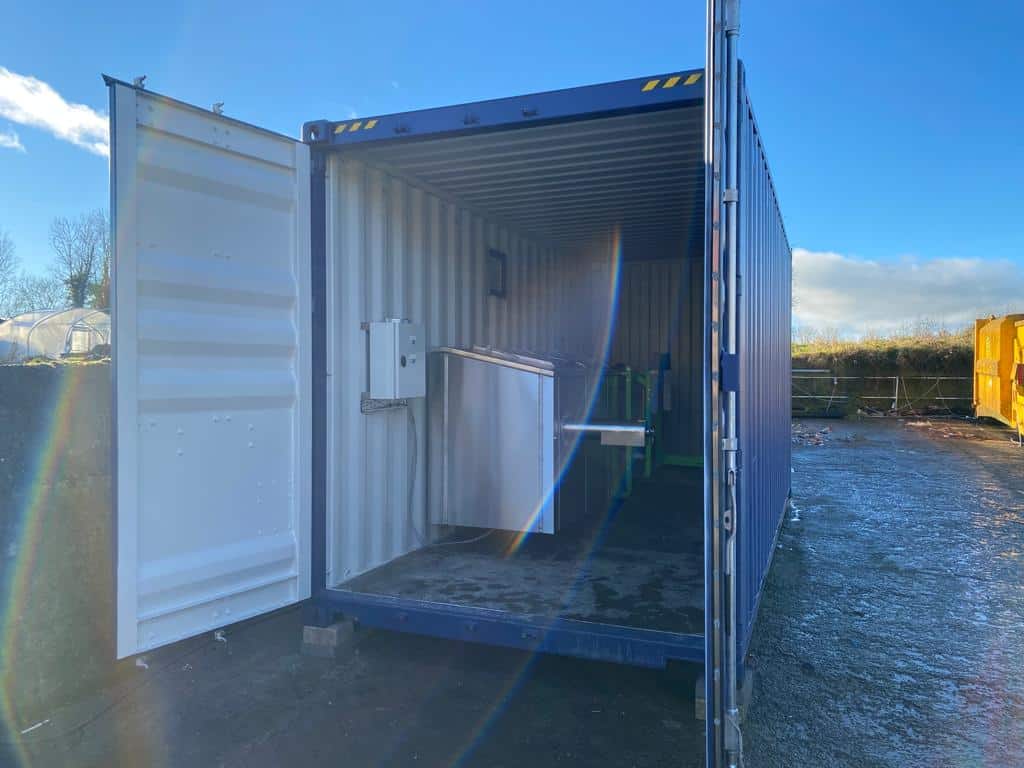
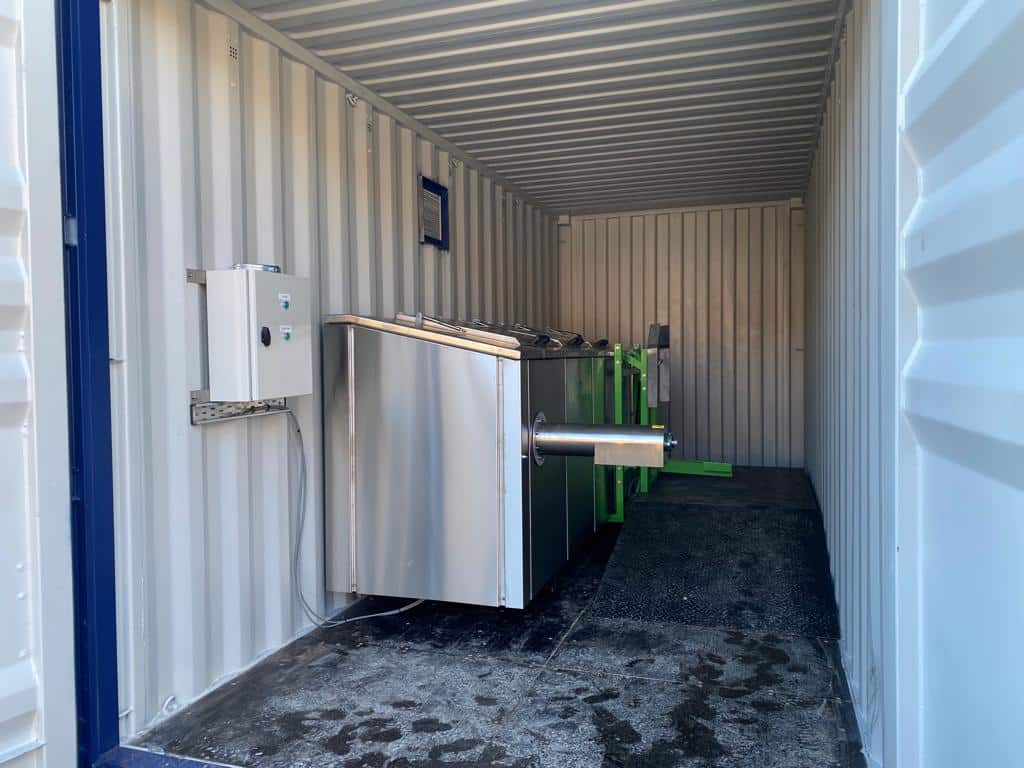
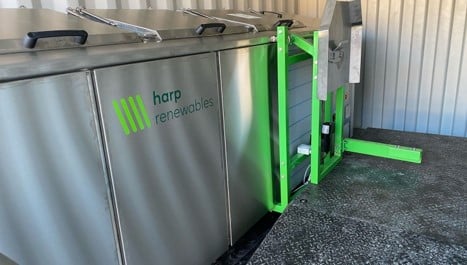
Enter the Harp CX5 Biodigester, an innovative, on-site aerobic food waste processor. Designed to handle large volumes of organic waste, the CX5 could take everything from café scraps to unsold produce and turn it into nutrient-rich compost within 24 hours. Its fully automated system uses oxygen-loving bacteria to break down organic matter efficiently, all while monitoring critical parameters like temperature and pH. The inclusion of a built-in bin lifter, housed in a compact 10ft container, streamlined the process further, reducing manual handling for staff and making waste management seamless.
The installation marked a turning point for Kew Gardens’ operations. What had once been a logistical and environmental headache became an opportunity to contribute directly to the garden’s ecosystem.
Specifications
- Equipment: Harp CX5 with a bin lifter located inside a 10ft container
- Waste Stream: On-site canteen waste.
- Capacity: 715 Litres/Day, 5000 Litres/Week, 260,000 Litres/Year
- Estimated CO2 Savings: -3227.4 KgCO2eq (- 3.2 Tonnes CO2eq)
.
Immediate Impacts on Operations and Environment
The CX5 processes up to 5,000 litres of food waste per week, equivalent to roughly 715 litres per day, converting it into compost instead of landfill-bound waste. This reduced the mass of organic waste by up to 80% within just 24 hours. For Kew Gardens, this meant fewer waste collections, lower disposal costs, and a measurable drop in carbon emissions—approximately 3.2 tonnes of CO2 saved annually.
Beyond the numbers, the environmental benefits were tangible. By preventing food scraps from decomposing anaerobically in landfills, Kew avoided methane emissions—a greenhouse gas 28 times more potent than CO2 over a 100-year period. Every meal processed through the CX5 now directly supports a greener, cleaner garden.
Closing the Loop: From Waste to Soil
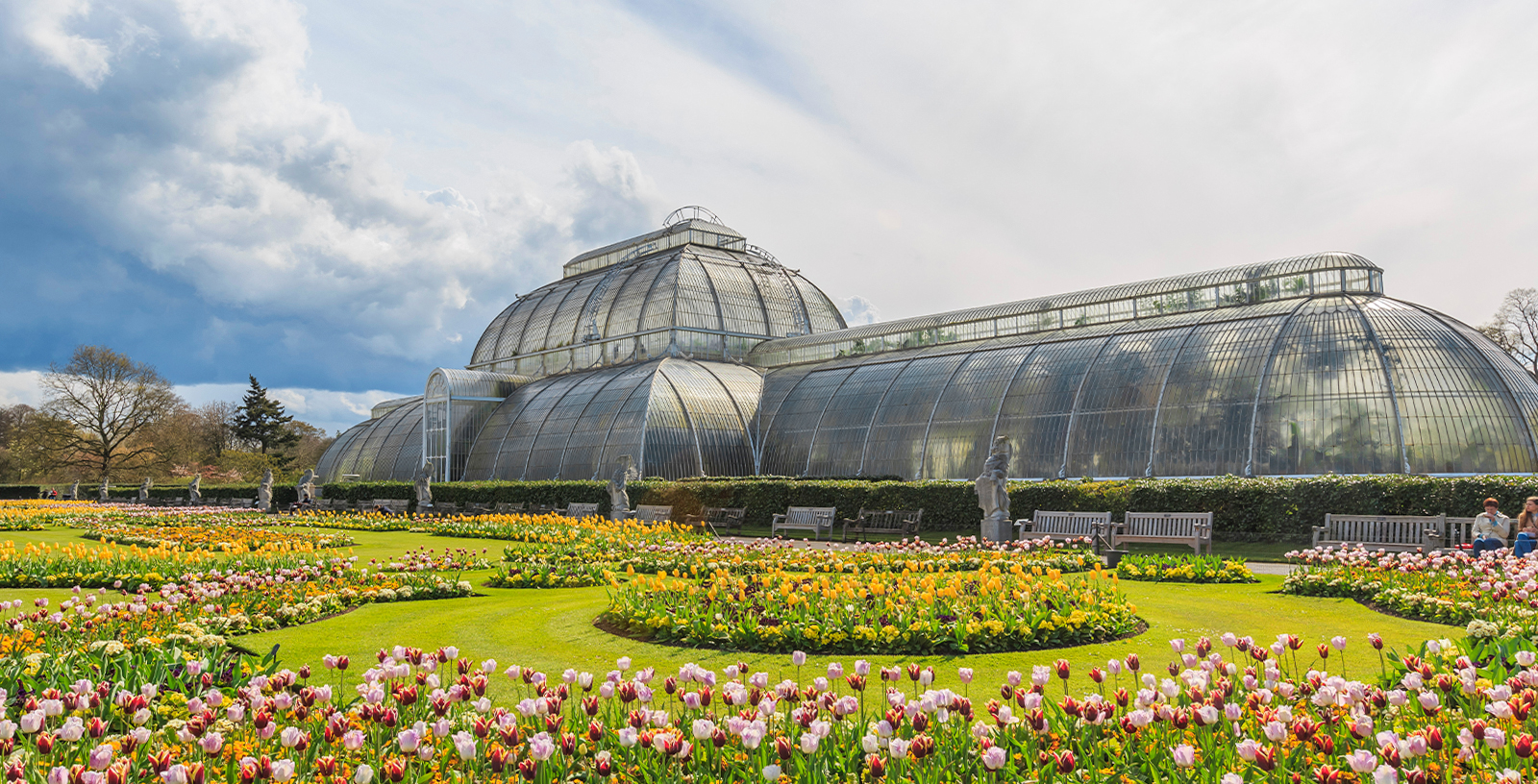
Perhaps the most remarkable part of the project is how the compost is used. The nutrient-rich fertilizer feeds the garden’s extensive plant collection, enriching soil, boosting plant health, and reducing reliance on synthetic fertilizers. From the towering palm house to the delicate alpine beds, the CX5 compost nurtures every corner of Kew Gardens. Staff and visitors alike can see the benefits firsthand—thriving plants, lush greenery, and an operational model that embodies circular economy principles.
Enhancing Visitor Experience
Kew’s commitment to sustainability extends beyond operations; it’s part of the visitor experience. Educational signage explains how leftover food is transformed into compost, creating an engaging story about resource use and environmental stewardship. Visitors leave not just inspired by the gardens’ beauty, but informed about practical ways to reduce food waste in their own lives.
A Model for Green Operations
The success of the CX5 at Kew Gardens offers a blueprint for other large-scale hospitality and educational institutions. It proves that tackling food waste doesn’t just reduce costs or emissions—it enhances operations, creates educational value, and strengthens a brand’s sustainability credentials. For Kew, turning leftover lunches into living soil isn’t just good practice—it’s a story that grows, season by season, alongside its plants.
Being able to recover vital nutrients from food waste generated through our cafes has allowed us to both reduce our imported for ever increasing fertiliser while creating our own internal circular economy. The Harp System allows us to reduce our waste fees and provide our guest and customers the reassurance that their visit to our cafes is not causing an environmental problem rather is contributing to our ecological solution for our plants on site.