
The scale, cost, and impact of food waste across European supply chains
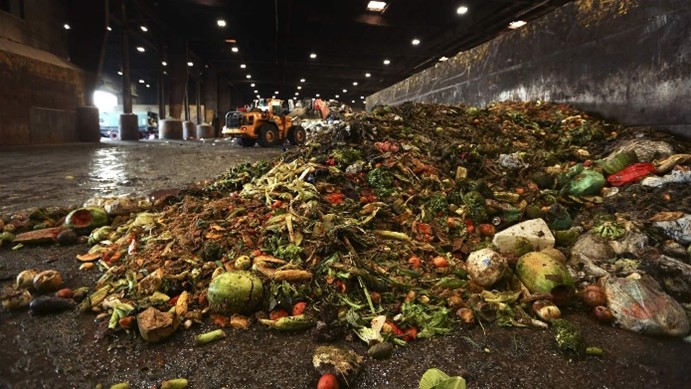
Across Europe, food waste is no longer viewed as a side issue of sustainability – it is increasingly recognised as a structural inefficiency embedded in how food systems operate. From production and processing to retail and hospitality, large volumes of food are lost each year, carrying significant environmental and economic consequences.
According to data published by Eurostat, the European Union generates approximately 59 million tonnes of food waste annually, equating to around 131kg per person. The estimated cost of this waste exceeds €130 billion per year, factoring in lost food value, disposal costs, and embedded resources such as energy, water, and labour.
Where Food Waste Actually Occurs
While household food waste often receives the most attention, it represents only part of the overall picture. Recent assessments by the European Commission show that food waste is distributed across the supply chain:
- Households: ~54%
- Food processing and manufacturing: ~19%
- Food service (restaurants, catering, institutions): ~12%
- Retail and distribution: ~5%
- Primary production: ~10%
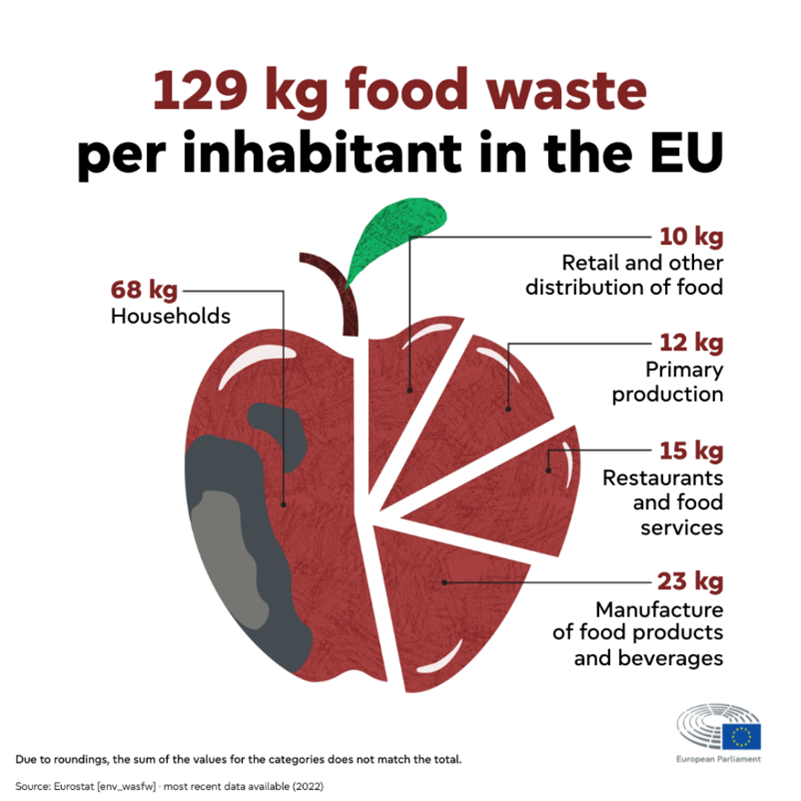
This breakdown highlights a critical point: nearly half of Europe’s food waste arises before food ever reaches the consumer. For industrial and institutional operators, waste is often a by-product of overproduction, quality control standards, contamination risks, and logistical constraints rather than consumer behaviour.
Environmental Impact Beyond the Bin
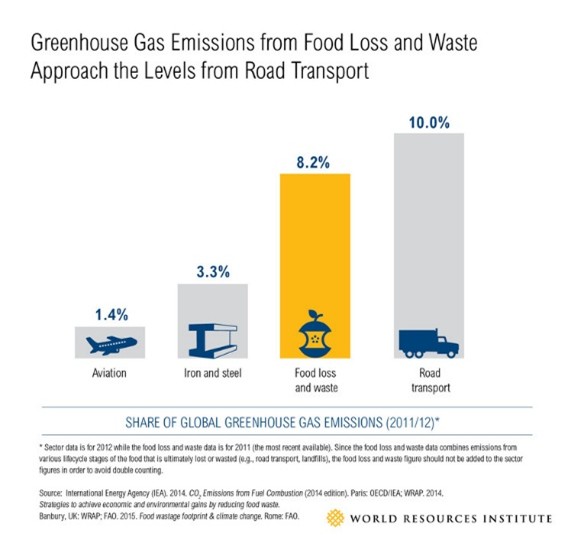
Food waste is responsible for an estimated 8-10% of global greenhouse gas emissions, according to the Food and Agriculture Organization. In Europe, when food waste is sent to landfill or transported long distances for treatment, emissions increase further due to methane release and haulage-related fuel use.
In addition to emissions, food waste represents a substantial loss of nutrients. Nitrogen, phosphorus, and organic carbon – all critical for soil health – are removed from the agricultural system and frequently treated as a disposal problem rather than a recoverable resource. This disconnect places additional pressure on fertiliser production, mineral extraction, and import dependency across the EU.
Policy Pressure is Increasing
EU policy is increasingly focused on measurable reduction and treatment outcomes, rather than voluntary commitments alone. Under the revised Waste Framework Directive, Member States are now required to monitor food waste at each stage of the supply chain and work toward binding reduction targets for 2030.
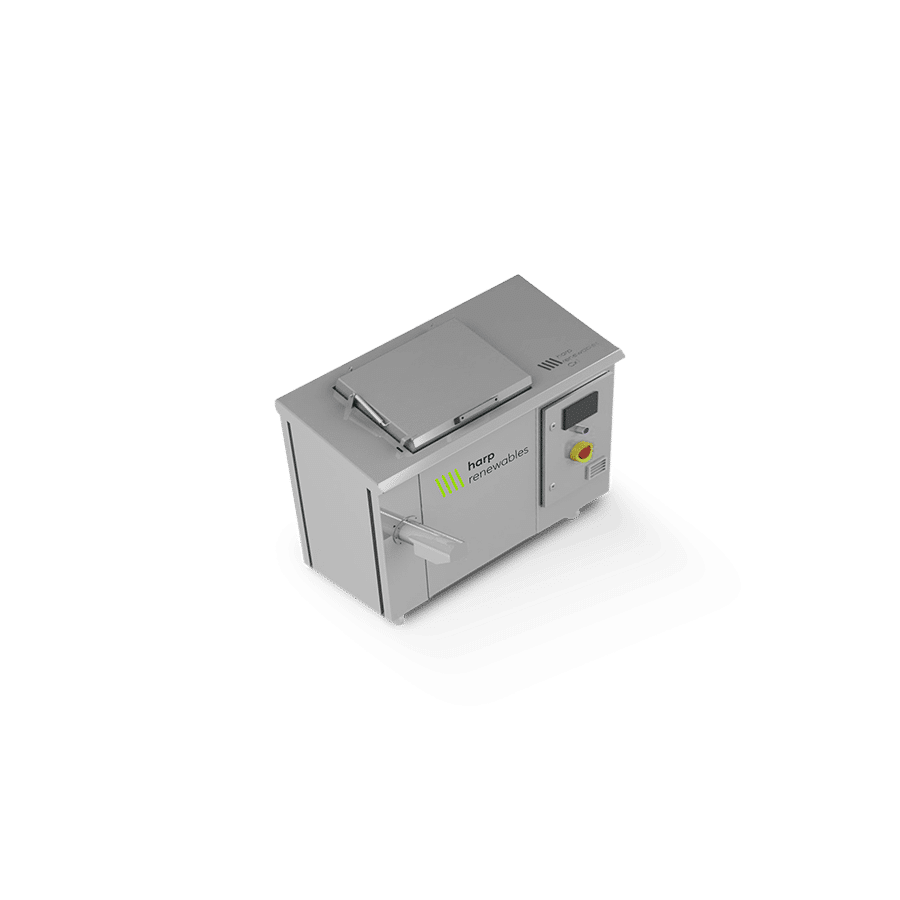
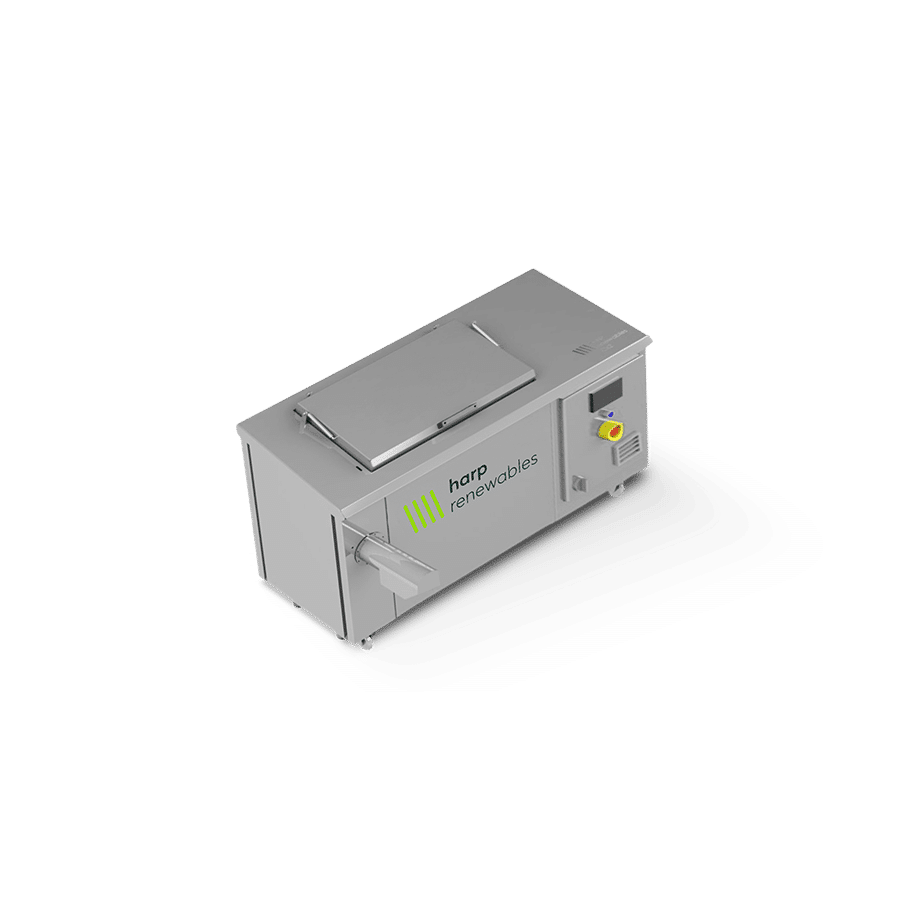
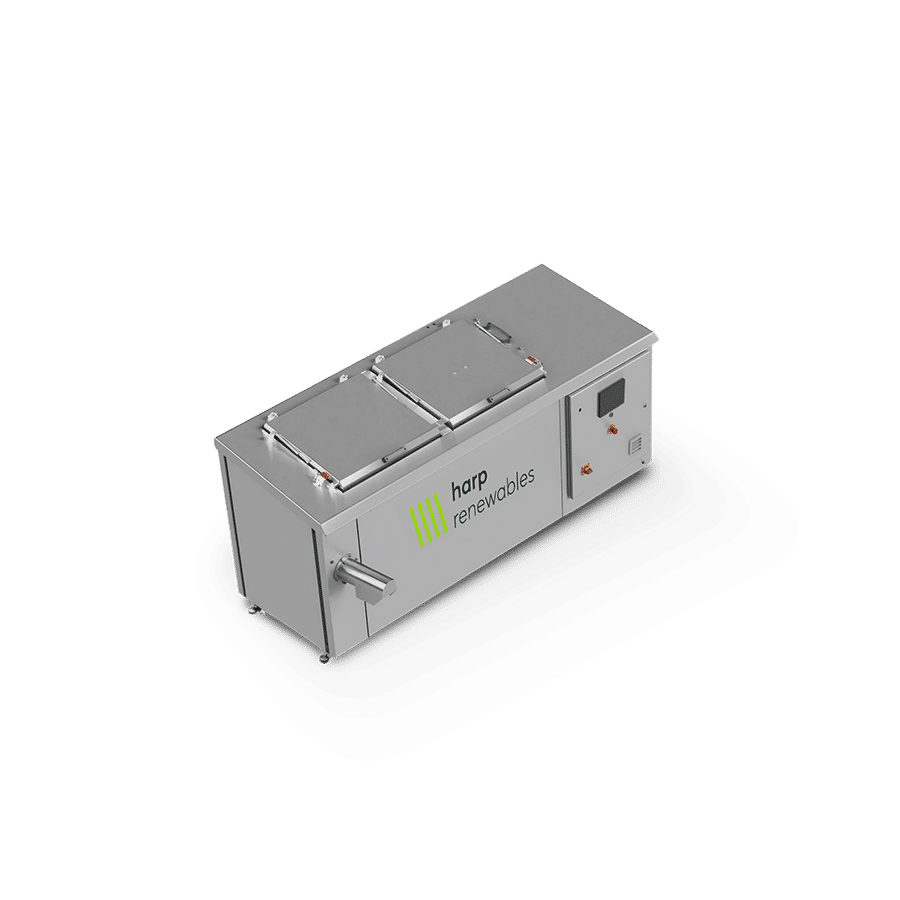
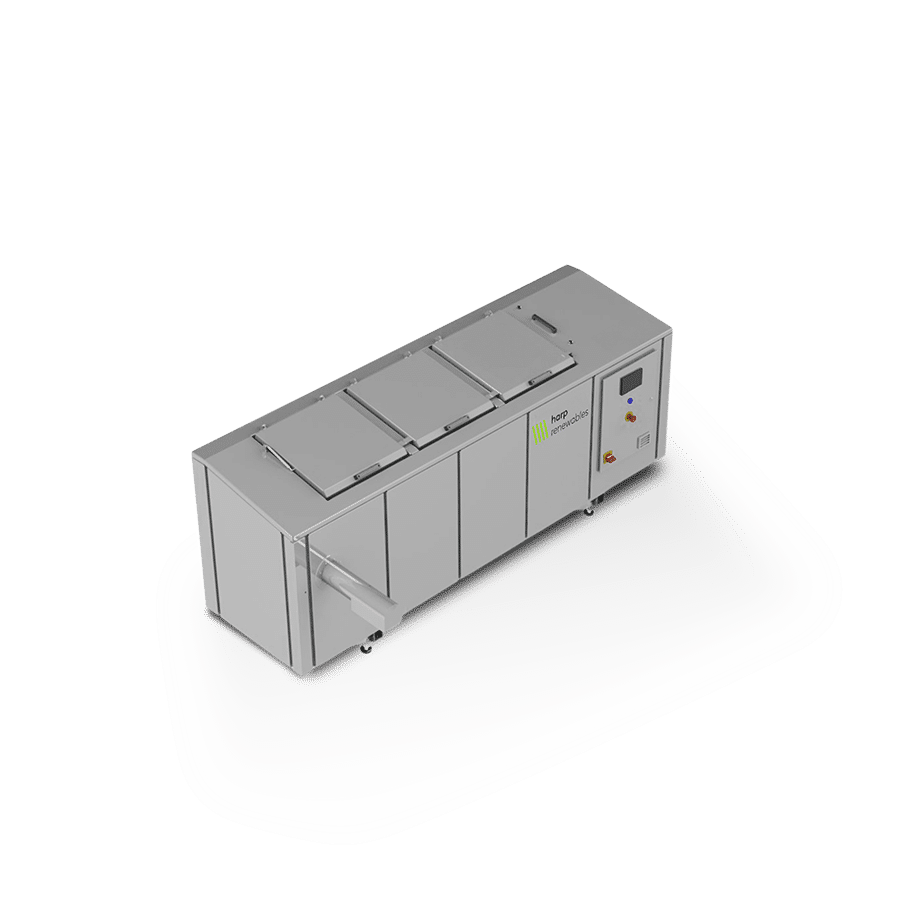
This policy direction is driving interest in on-site and near-site treatment solution, particularly for sectors producing consistent organic waste streams such as food manufacturing plants, hospitality groups, universities, hospitals, and correctional facilities.
At the same time, rising disposal costs, landfill restrictions, and carbon reporting requirements are changing the economics of food waste management across Europe.
A Shift Toward Operational Control
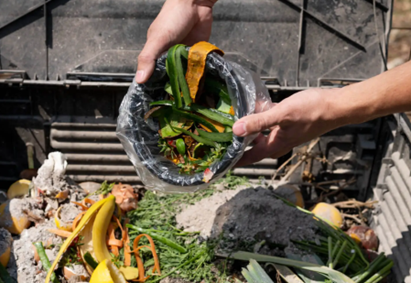
As regulatory scrutiny increases, many organisations are reassessing how food waste is managed on a day-to-day basis. Traditional models — based on off-site collection and end-of-pipe treatment — are being challenged by rising costs, logistical complexity, and limited visibility. On-site treatment reduces transport emissions, improves traceability, and creates a stabilised output that can re-enter local or regional nutrient cycles.
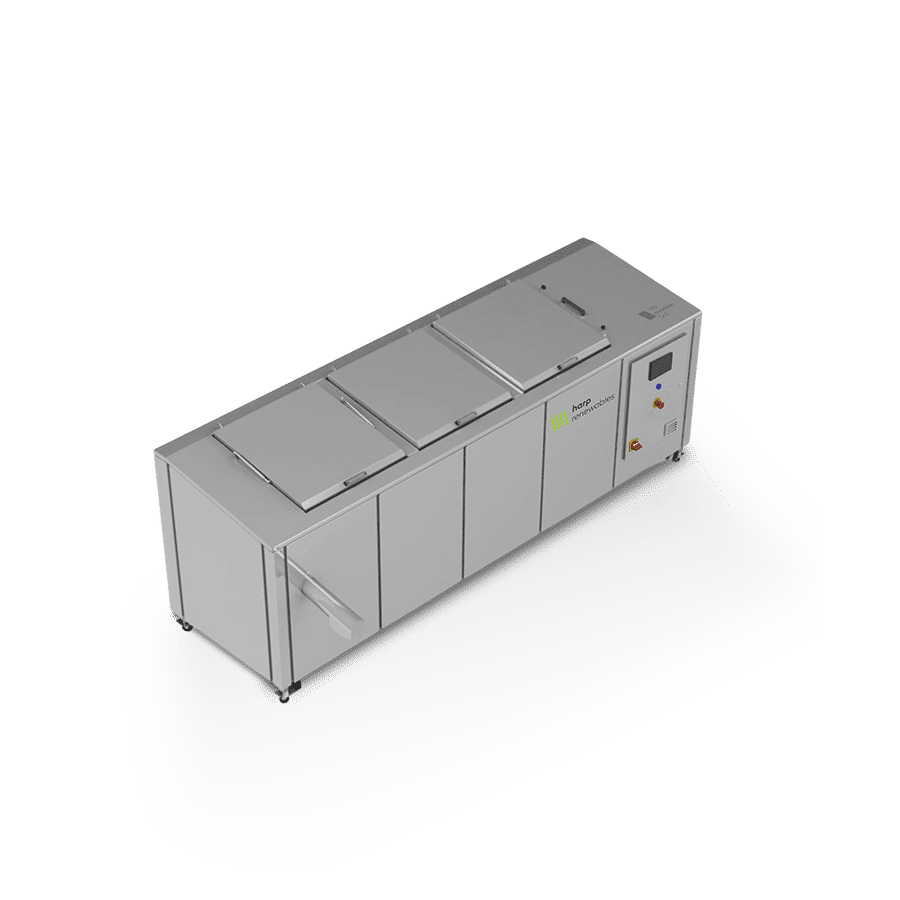
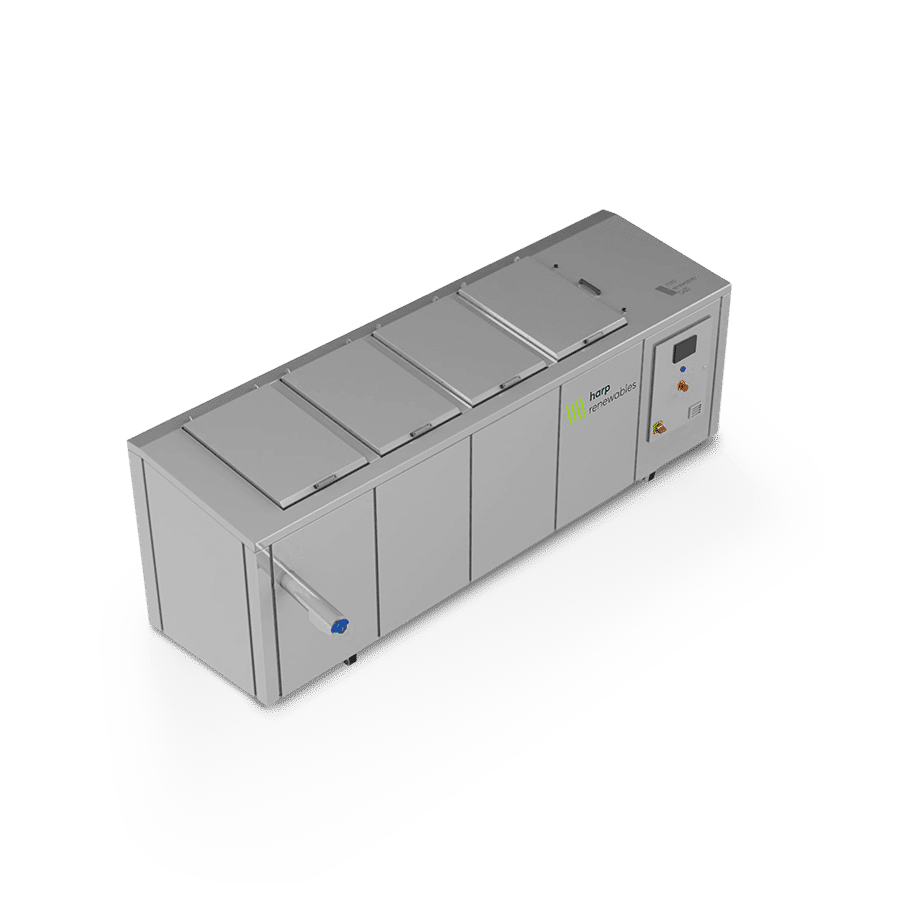
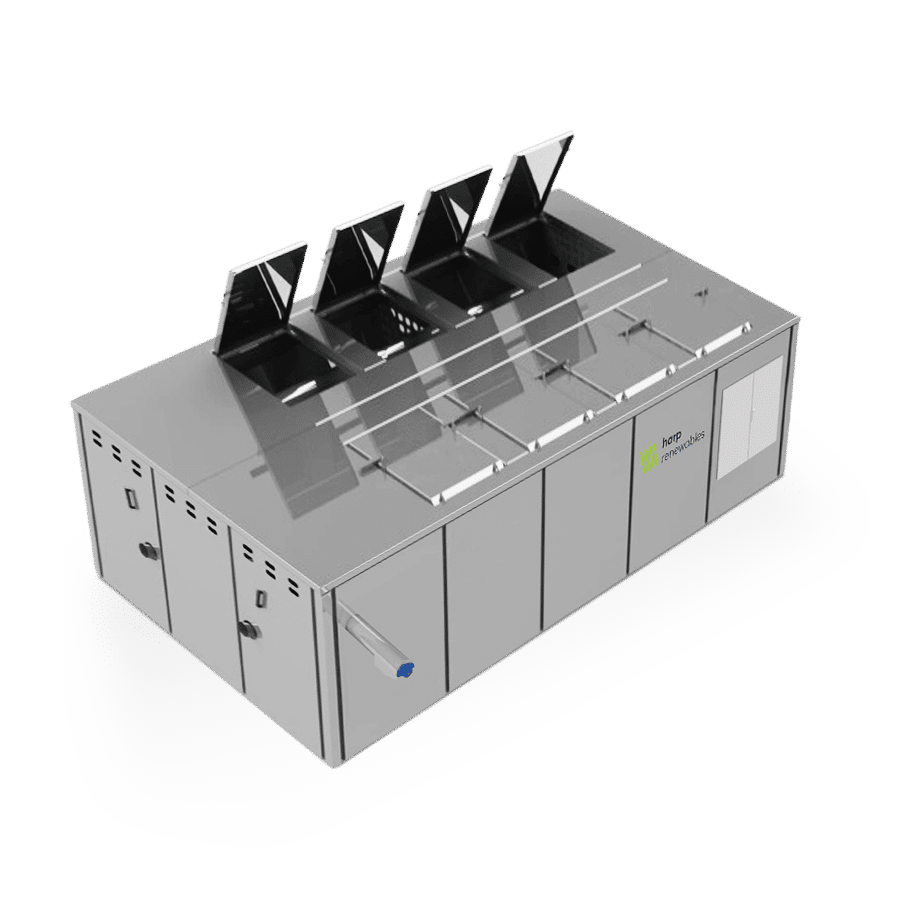
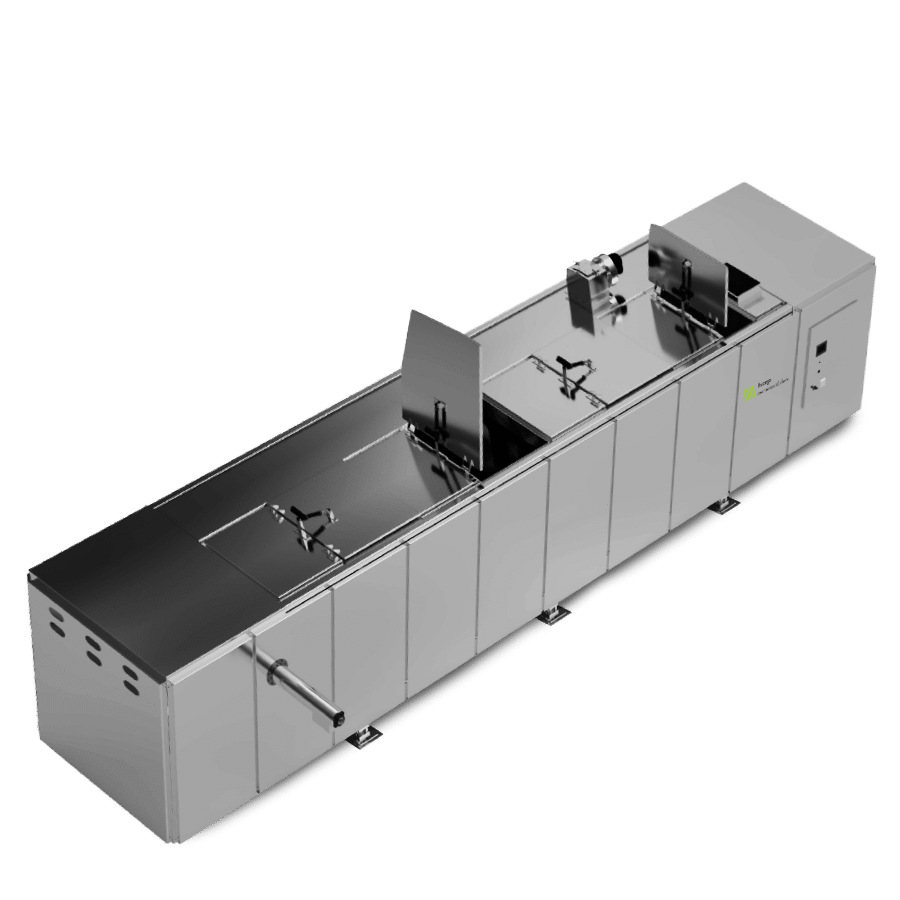
In response, there is growing interest in on-site and near-site treatment approaches that allow food waste to be stabilised where it is generated. These systems reduce transport requirements, improve data accuracy, and support more predictable treatment outcomes.
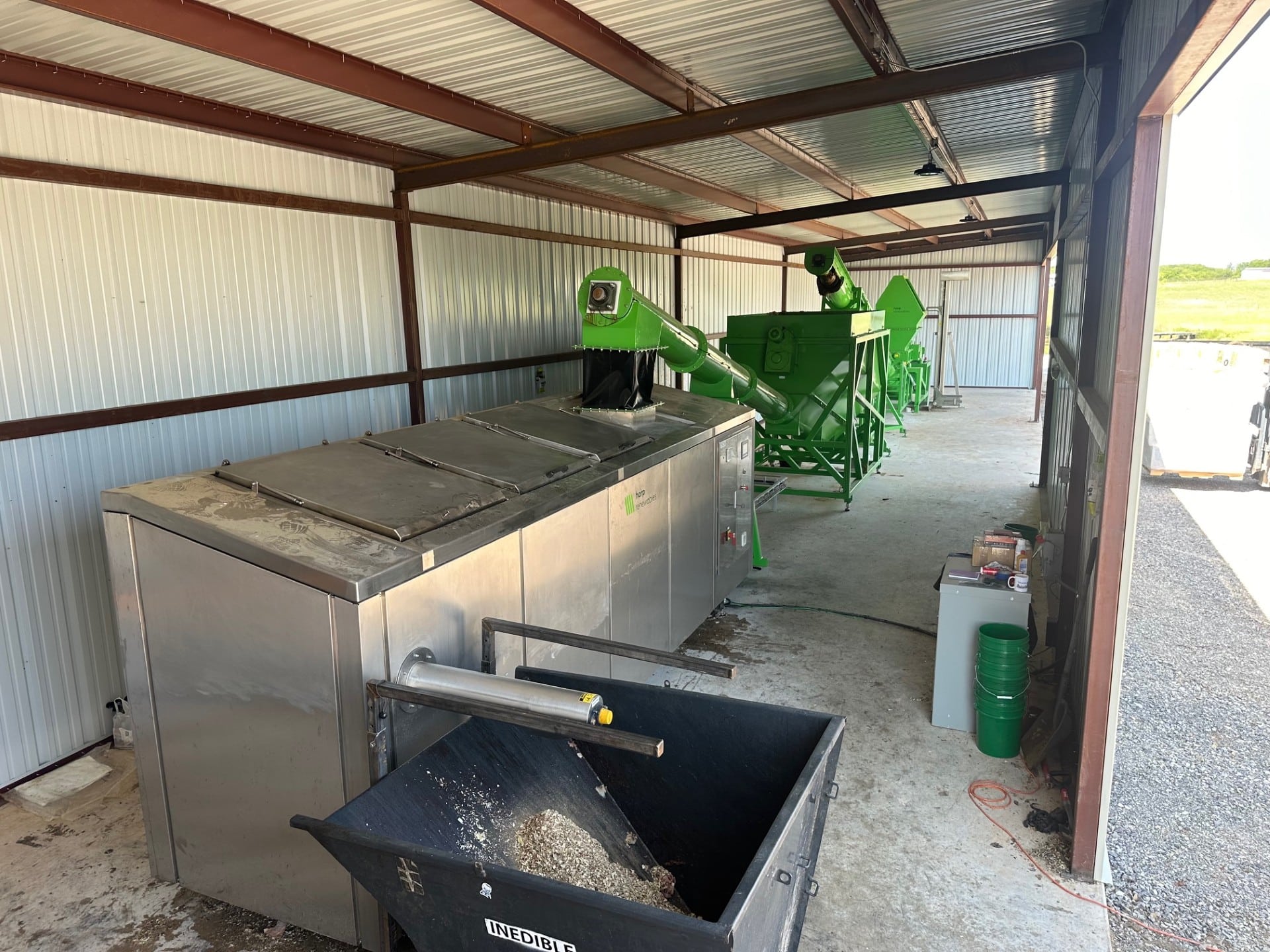
This shift reflects a broader change in perspective. Food waste is increasingly viewed not just as an environmental concern, but as an operational variable that can be measured, managed, and optimised. Organisations that take control of their food waste streams are better positioned to respond to regulatory change, reduce long-term risk, and improve resource efficiency.
Looking Ahead
With food waste firmly embedded in EU sustainability, circular-economy, and resource-efficiency policy, the coming decade is likely to see accelerated adoption of decentralised, circular treatment models. Measurement requirements will tighten, disposal routes will narrow, and expectations around transparency will continue to grow.
For organisations across Europe, food waste reduction is no longer a future ambition or a voluntary commitment. It is becoming a core component of compliance, cost control, and environmental performance — and a defining challenge in the transition toward more resilient and circular food systems